
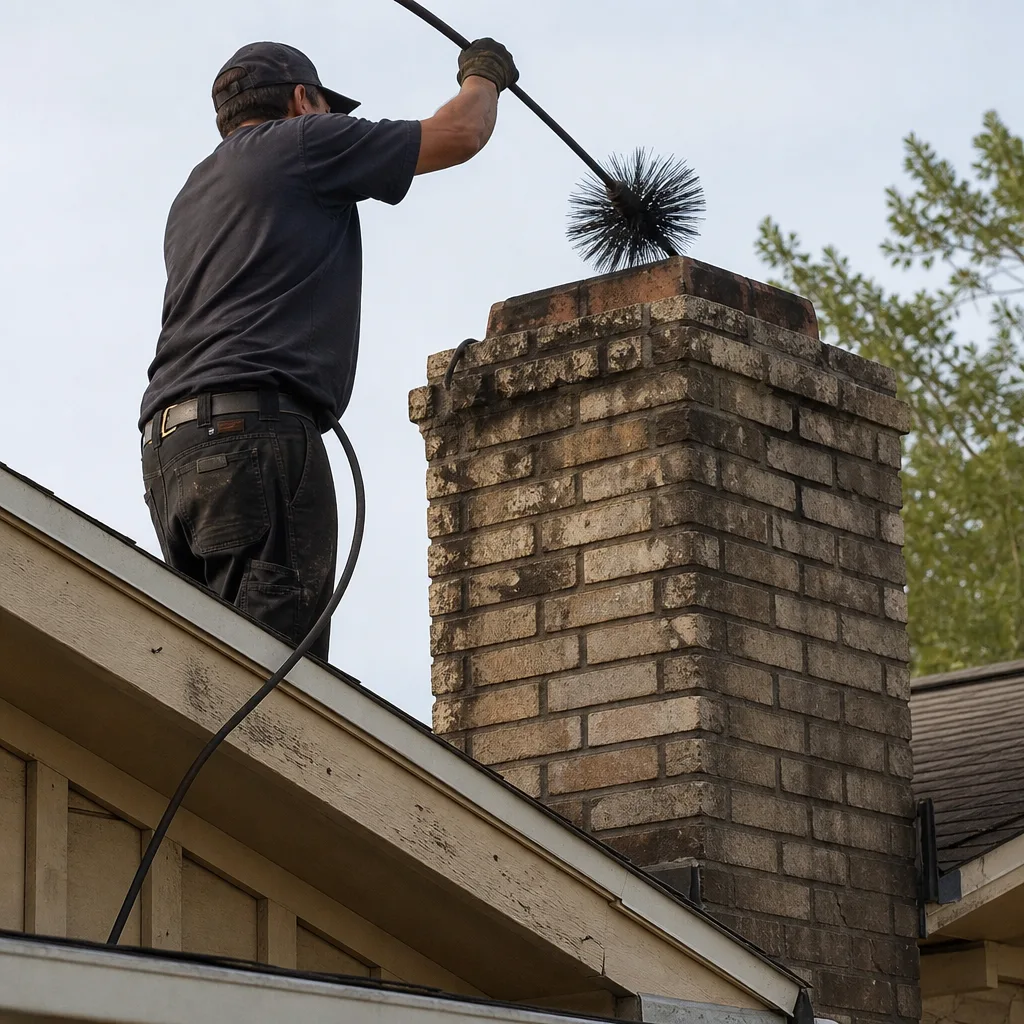
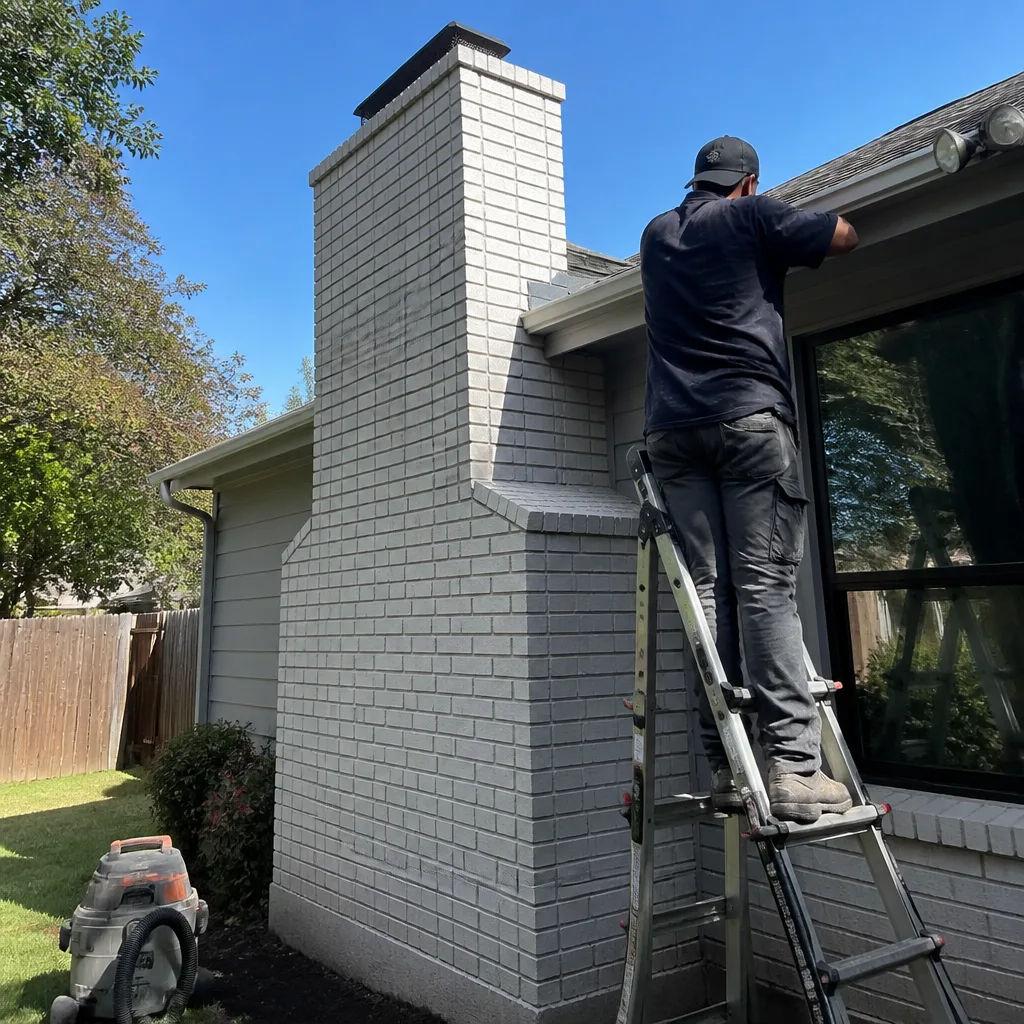
Level 1 sweep and inspection to the NFPA 211 annual standard - flue, crown, cap, and flashing checked and photographed
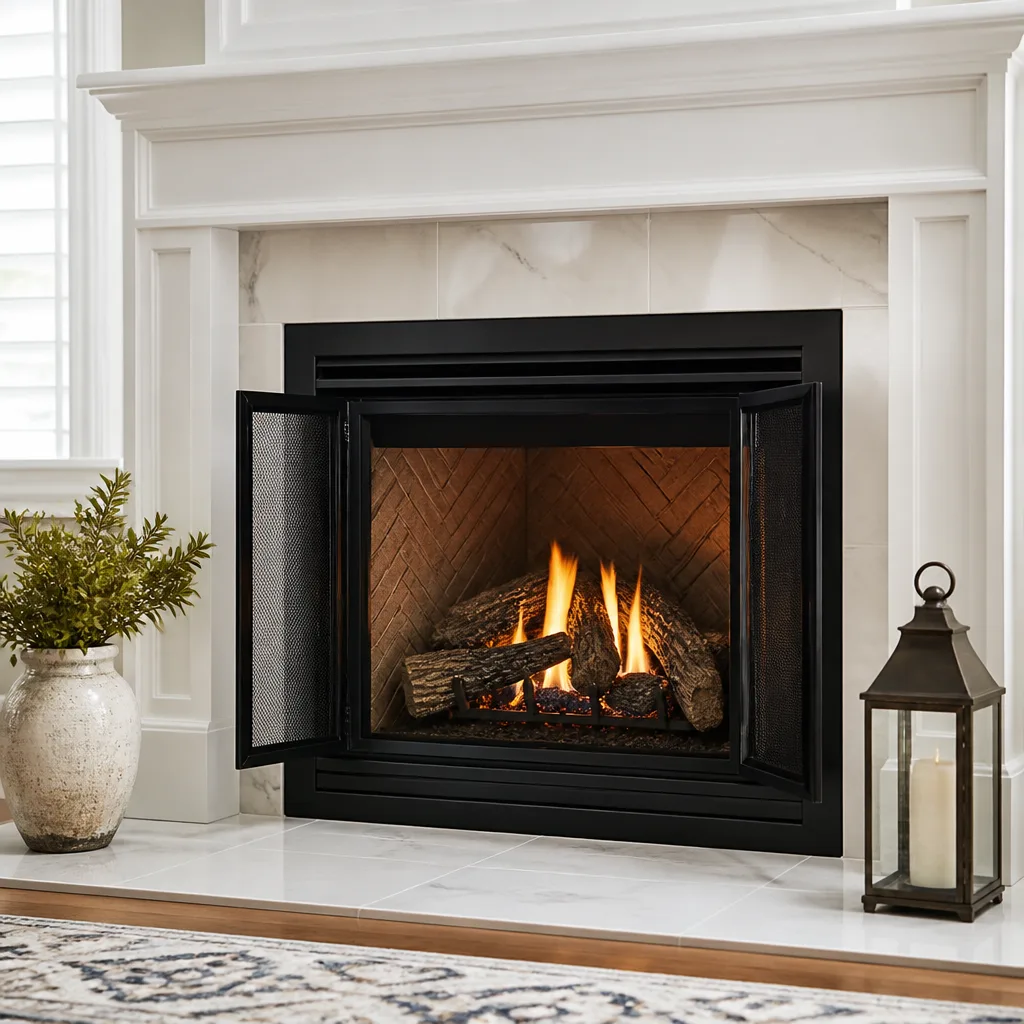
Chimney sweep logs do not sweep chimneys. They loosen some creosote - which then falls where a brush and vacuum still have to collect it.
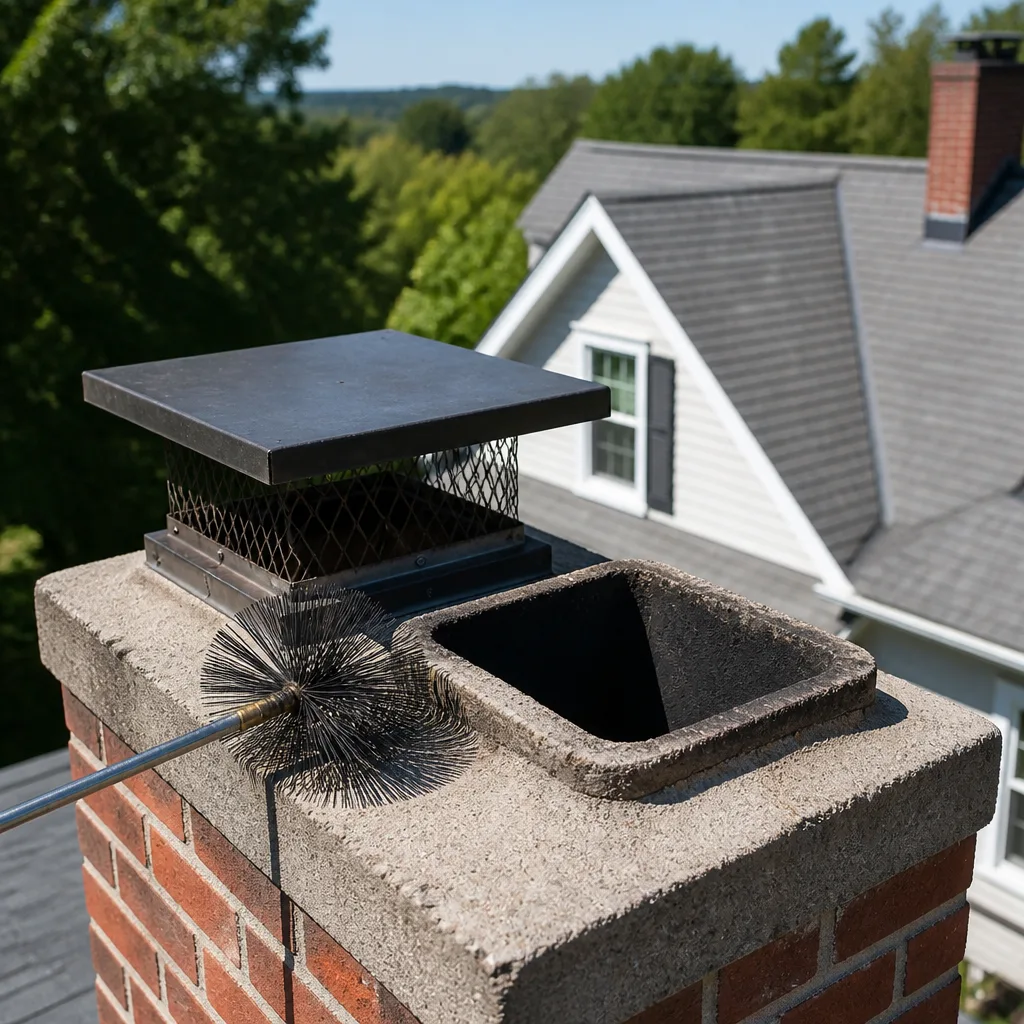
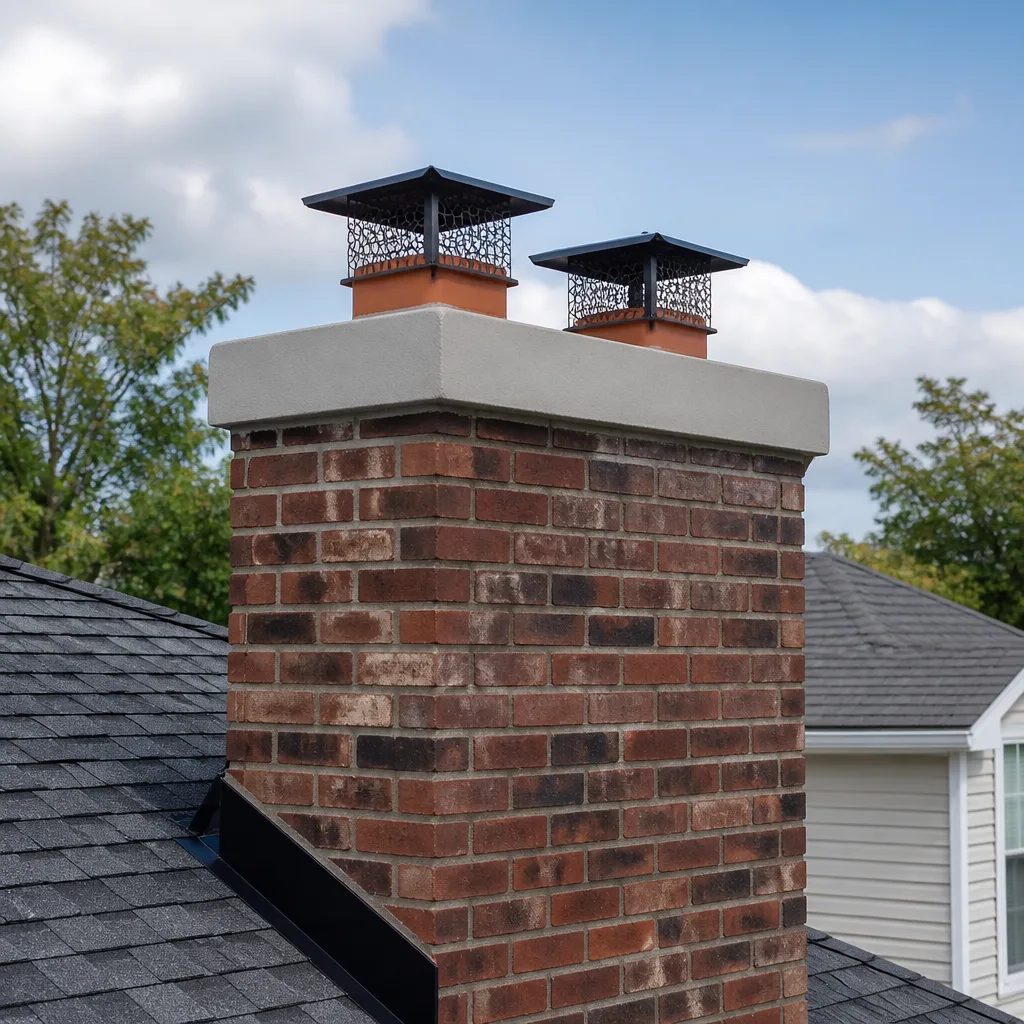
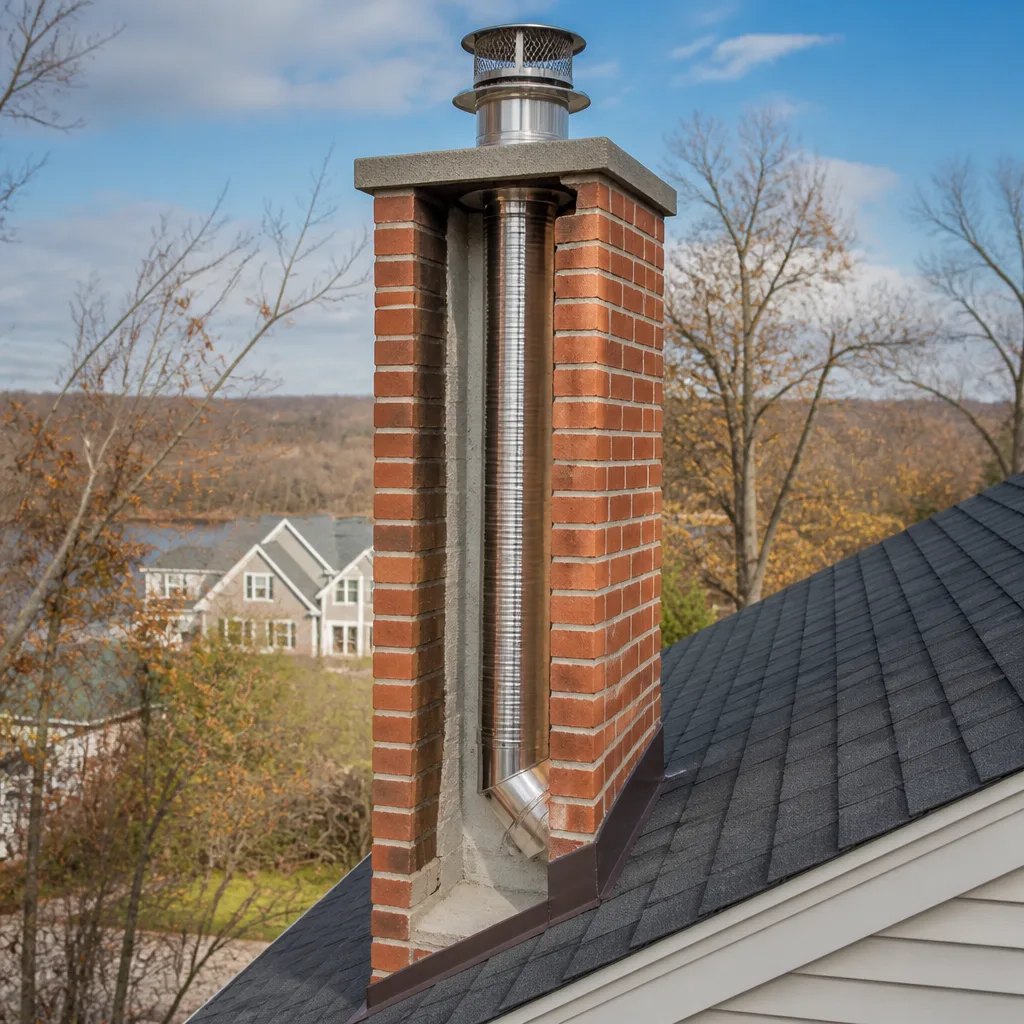
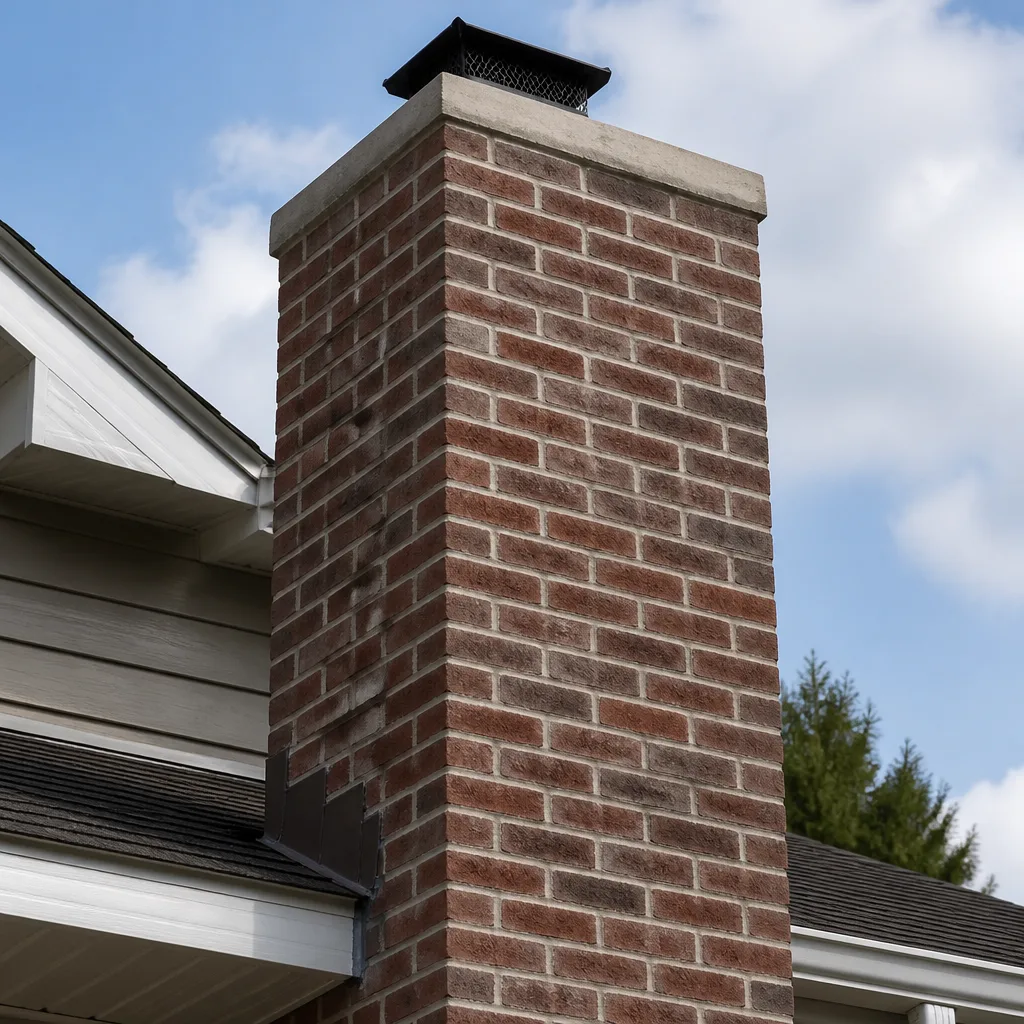
 Before
 After
After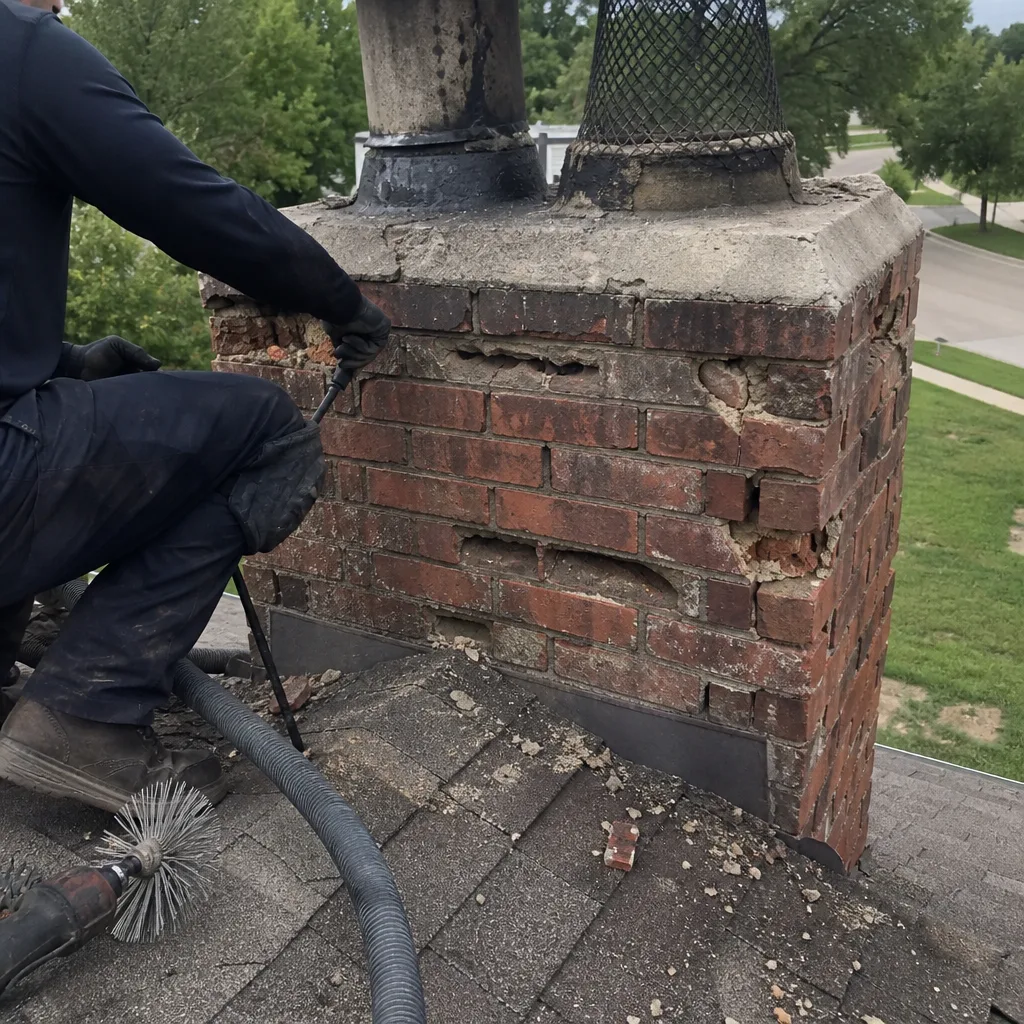 Before
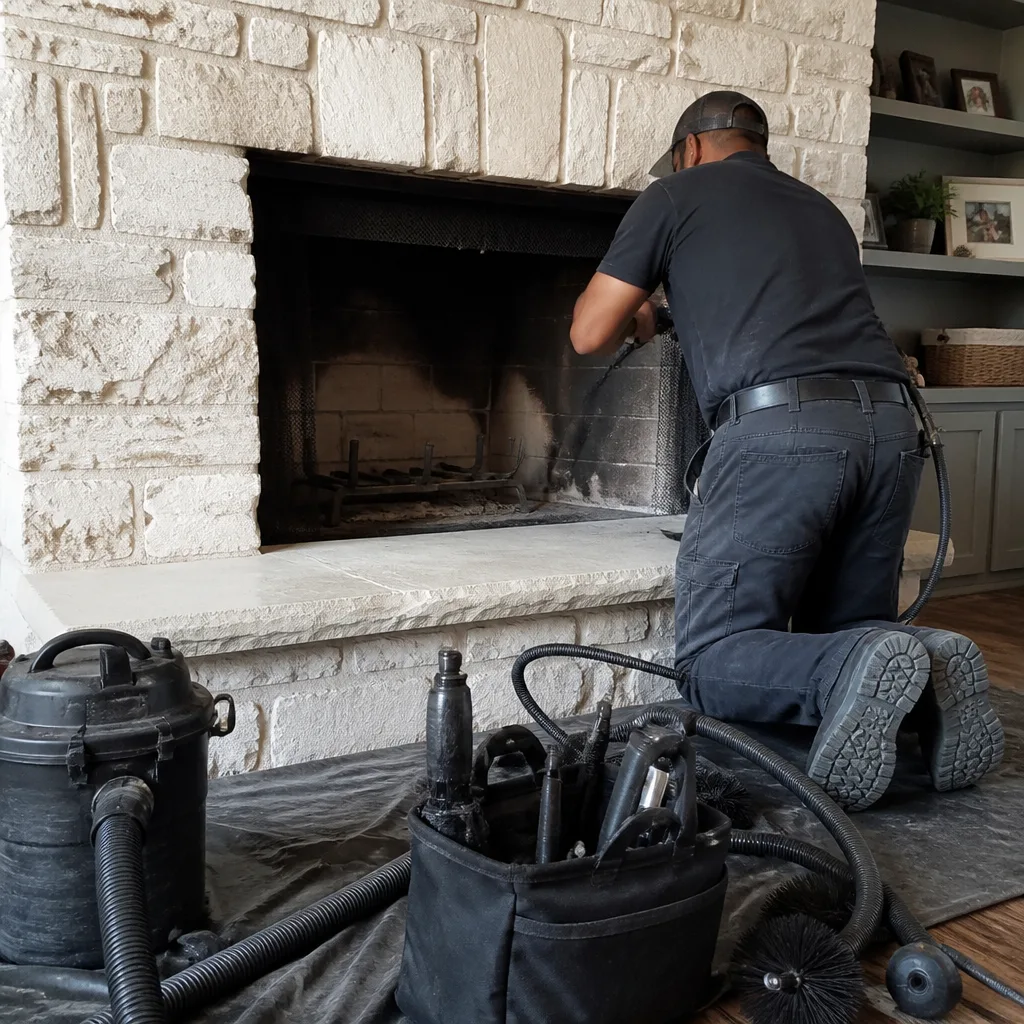 After
After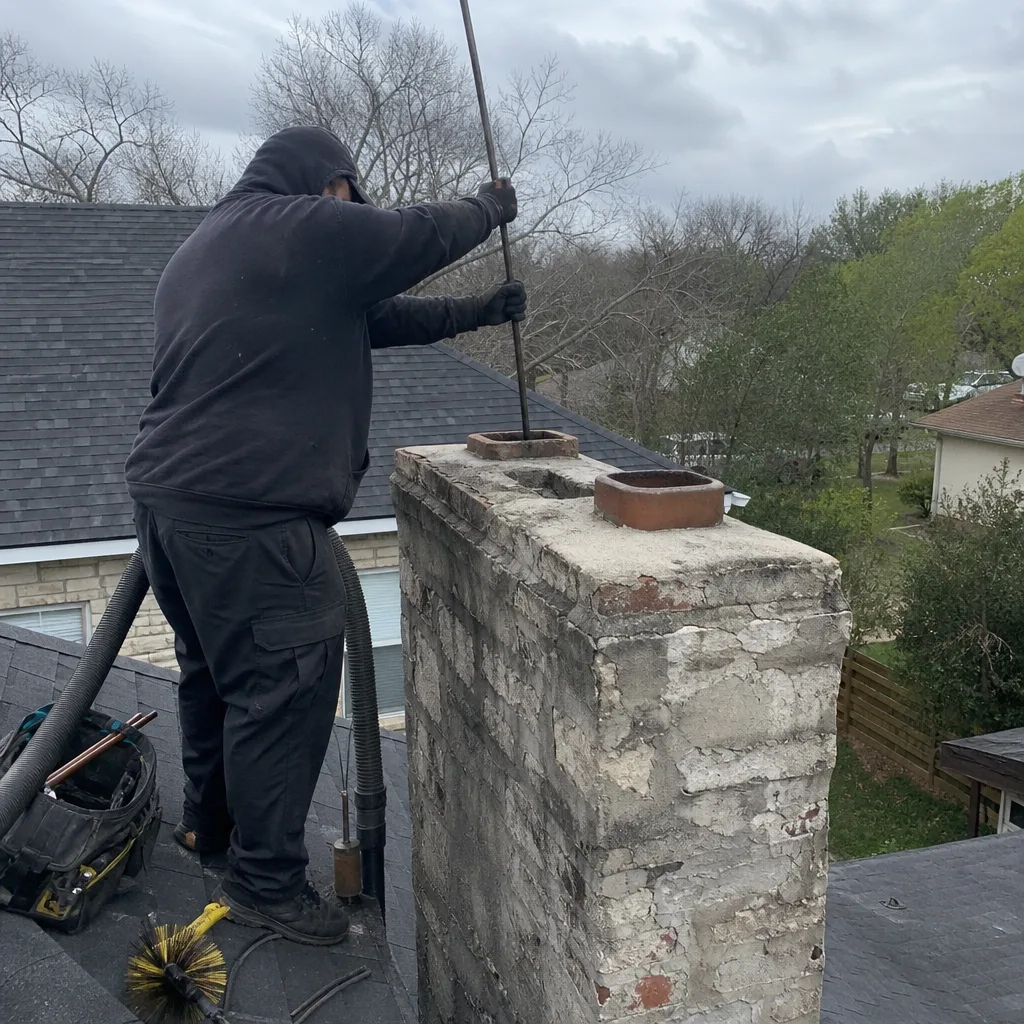 Before
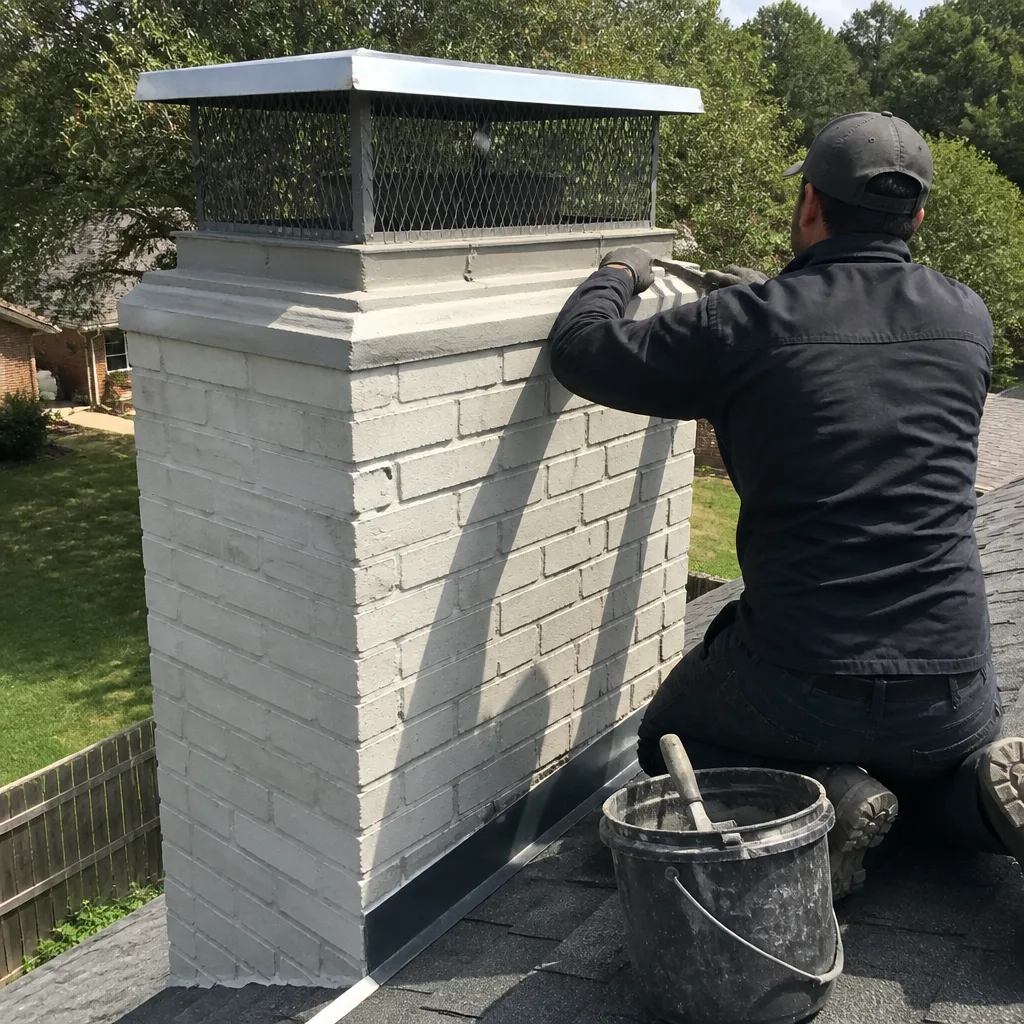 After
AfterWhy Denton Homeowners Choose HeatShield Chimney Cleaning
Emberly Chimney Cleaners Denton provides independent Heatshield service in Denton, including chimney cleaning, repair, and relining for homeowners across Denton, TX. We diagnose HeatShield-specific failures - cracked Cerfractory linings, debonding from clay tiles, and flue diameter reduction from over-pouring - and we repair them with genuine HeatShield materials and OEM-approved curing protocols. Call us at (940) 373-6912 for a written estimate before any work begins.
HeatShield is a proprietary chimney relining system, not a brand of chimney sweep. The expertise is in knowing when a HeatShield liner is the right solution, how to prep the flue surface, and how to pour and cure the refractory mix without cracking or debonding. We’ve installed and serviced HeatShield systems across North Texas since 2009, and we diagnose these failures without any manufacturer authorization or warranty endorsement. Denton’s clay soil shifts. Freeze-thaw cycles hit hard. Those conditions find every weakness in a HeatShield installation, and we’ve learned to read those signs.
Our Level 2 inspection - camera down the flue, documented photo record, written scope and price before work starts - is standard on every HeatShield call. Clause 4 of the Haven Standard requires that photo record. We’ve been doing it since 2009.
Why Trust Emberly Chimney Cleaners Denton for Your HeatShield Chimney Cleaning?
Corrine Halstead, our owner, learned the fundamentals at Apex Technical School in Manhattan and spent the better part of two decades working fireplaces and flues before putting down roots in Denton. She and our crew have cleaned and inspected chimneys throughout the city, including a stretch of older wood-burning fireplaces near the historic Denton Square where creosote buildup runs heavier than most homeowners expect. The camera doesn’t guess - and neither do I. That’s how Corrine runs every job.
We know HeatShield’s product line specifically. The Cerfractory Flue Sealant cast-in-place system. The Resurfacing System for clay tile flues. The 2000°F-rated refractory mortar mix. The insulated liner kits with blanket wrap. We stock genuine HeatShield materials locally, sourced through Haven’s buying network, and we mix and cure to OEM specifications. Aftermarket refractory mixes rarely match HeatShield’s expansion and temperature ratings, so we don’t use them.
Our technicians are background-checked and uniformed. License information is on every page. You get a named tech assigned, a text when they’re on the way, and a written warranty stamped with the 365-Day Done Right Promise when the job is done. We’ve completed more than 38,000 chimney inspections and cleanings since 2009. Every one had a written price first and a documented record after.
Common HeatShield Chimney Cleaning Problems We Fix in Denton
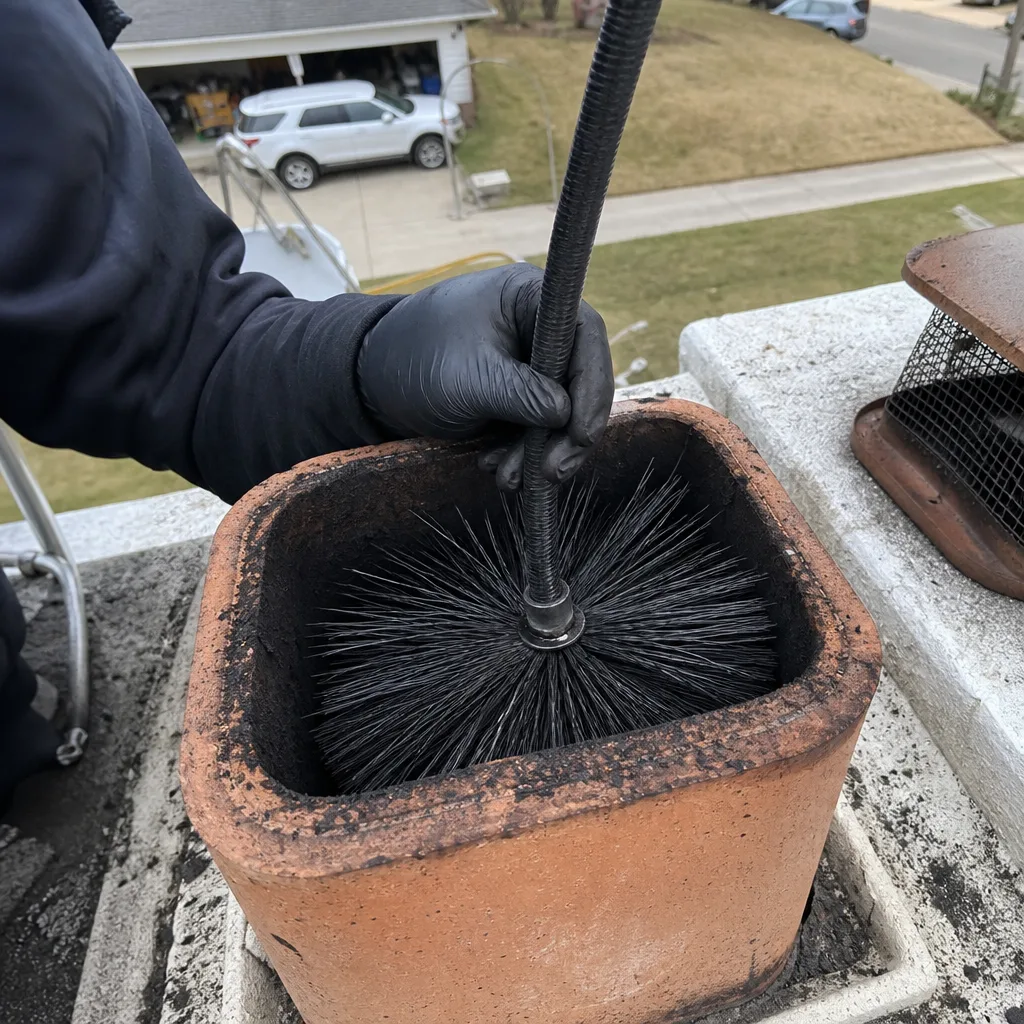
- Cracking or spalling of the HeatShield Cerfractory lining. This happens when the flue wasn’t properly cleaned or primed before application. In Denton, we see this pattern after 5-7 years, accelerated by clay-soil shifting that stresses the chimney structure. The liner looks intact from the top, but the camera reveals fractured refractory material exposing raw clay tile beneath. We remove the failed section, re-prep to bare tile, and re-apply with controlled pour depth.
- Debonding of the HeatShield liner from original clay tile. Moisture migrates behind the refractory layer, usually from a failed crown or flashing, then North Texas freeze-thaw cycles lift the liner away. The gap is often invisible until the camera passes. We see this regularly in Denton’s 1940s-1960s bungalows near the UNT campus, where chimneys sat idle through multiple student-tenant turnovers while water intrusion went unreported.
- Over-poured HeatShield material reducing flue diameter. An uncontrolled pour builds up refractory thickness beyond spec, narrowing the flue and causing poor draft, smoke rollback, and accelerated creosote buildup. We measure internal diameter at multiple points during our Level 2 inspection. If the pour is too thick, we grind back to specification or remove and re-pour correctly.
- Efflorescence and white mineral staining on the HeatShield surface. This indicates active water intrusion through a compromised crown or flashing. The minerals are salts left behind as moisture evaporates through the refractory layer. Left alone, it degrades the liner’s bond and thermal rating. We trace the water source, repair the crown or flashing, then assess whether the liner needs spot repair or full resurfacing.
- Heavy creosote accumulation on HeatShield-lined chimneys. A properly installed HeatShield liner should present a smooth, continuous surface that resists creosote adhesion. When we find glazed or Class III creosote - hard, tar-like, requiring mechanical removal - it usually signals a draft problem from flue restriction, improper fireplace sizing, or the homeowner burning unseasoned wood. We remove the creosote with rotary chain systems safe for HeatShield surfaces, then diagnose why it formed.
BeforeAfterHeatShield Parts & Our Repair-vs-Replace Approach
We use genuine HeatShield Cerfractory materials and OEM-approved mixing and curing protocols. The refractory mix must expand and contract at HeatShield’s specified rate, and the cure must progress through controlled temperature stages. Aftermarket mixes that claim compatibility usually fail on one or both counts. We don’t take that risk with your flue.
When a HeatShield liner is sound but the crown, cap, or flashing is compromised, we repair those components rather than recommending a full re-line. Honest repair-vs-replace guidance is standard on every estimate. We stock HeatShield materials, DuraFlex liner components, and Gelco caps locally for fast turnaround. Call (940) 373-6912 - we’ll inspect, document, and quote in writing before any work starts.
Our HeatShield Service Process - Step by Step
- 1
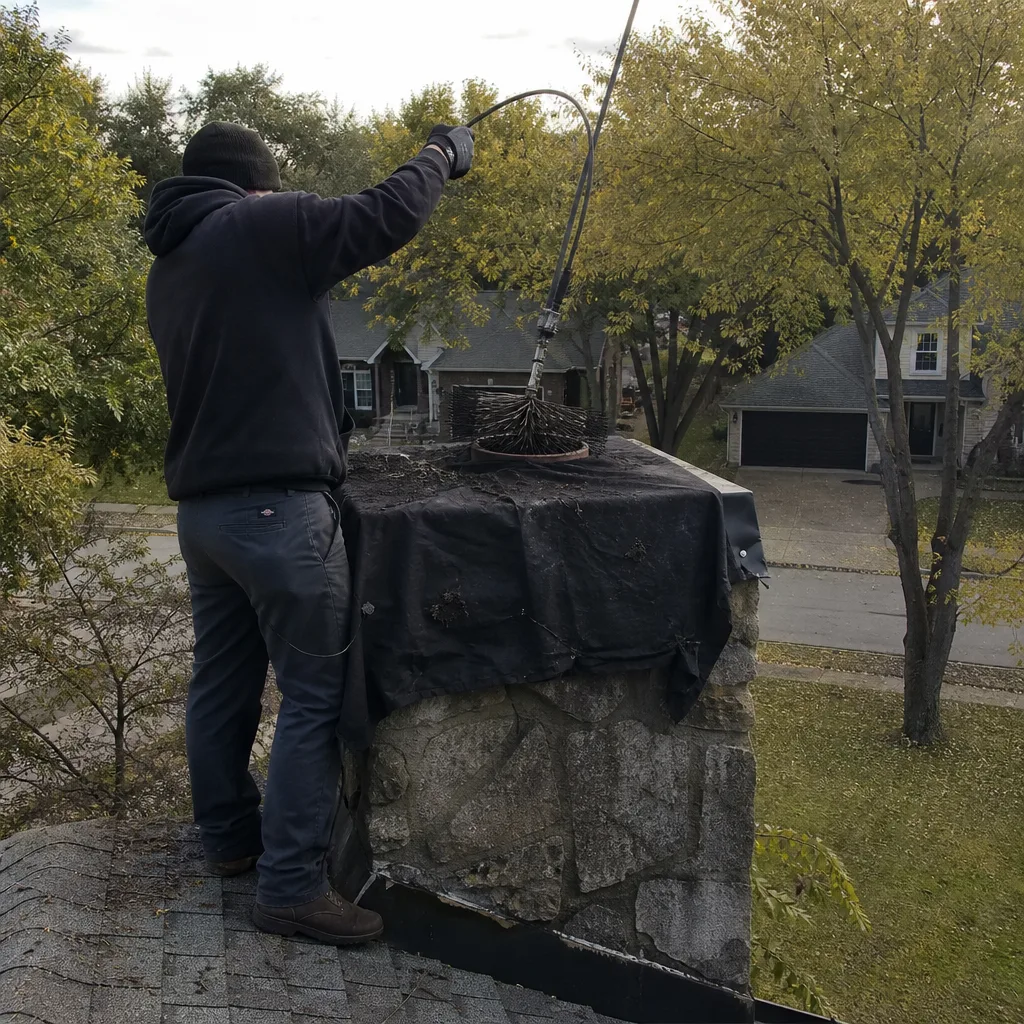
Diagnosis - NFPA 211 Level 2 Inspection. We run a camera the full length of the flue, documenting the HeatShield liner condition, bond integrity, internal diameter measurements, and any creosote classification. You see the footage. We explain what we found in plain terms. You get a written scope and written price before we proceed.
- 2
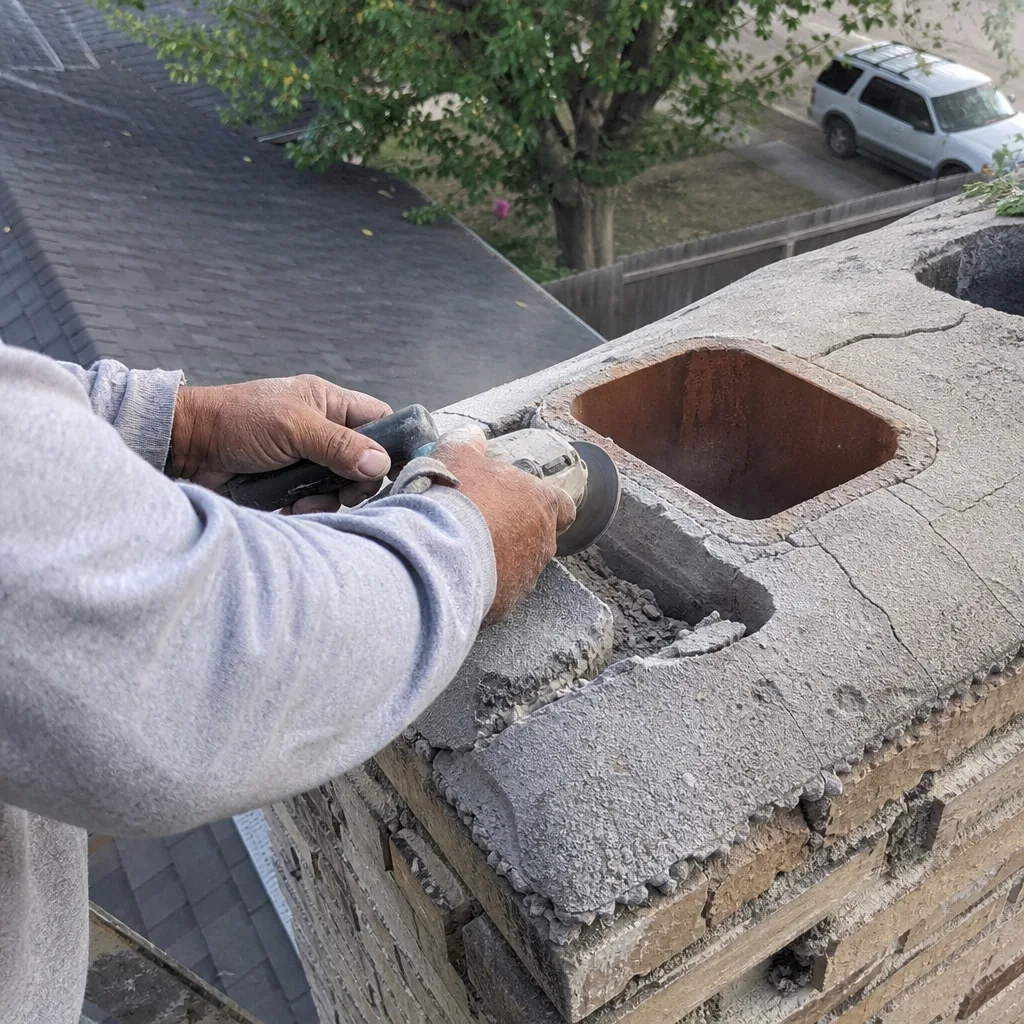
Repair or Re-line - HeatShield-Specific Protocol. For spot repairs, we remove failed refractory material to sound substrate, clean and prime to bare clay tile, and re-apply HeatShield Cerfractory mix in controlled lifts with proper cure time between. For full resurfacing, we install the HeatShield Resurfacing System with specified pour depth and diameter verification.
- 3
Testing - Draft and Smoke Check. We verify flue function with a smoke test and draft measurement, confirming the HeatShield liner performs at its rated capacity. If we installed a new cap or crown repair, we check for water intrusion points.
- 4
Warranty - Documented Record. Clause 4 of the Haven Standard requires a photo record on every job. You receive dated before-and-after images, camera footage, a written scope of work, and the 365-Day Done Right Promise. Materials are logged by batch where applicable.
HeatShield Products We Service & Install in Denton
We work with the full HeatShield product line: Cerfractory Flue Sealant cast-in-place liner systems for masonry chimney restoration; the HeatShield Resurfacing System for repairing cracked or spalled clay tile flues without full tear-out; 2000°F-rated refractory mortar mix for smoke chamber parging and firebox repair; and insulated chimney liner kits with blanket wrap for improved draft performance in exterior chimneys. We stock HeatShield materials locally and source through Haven’s buying network to keep customer prices honest.
We Also Service These Brands
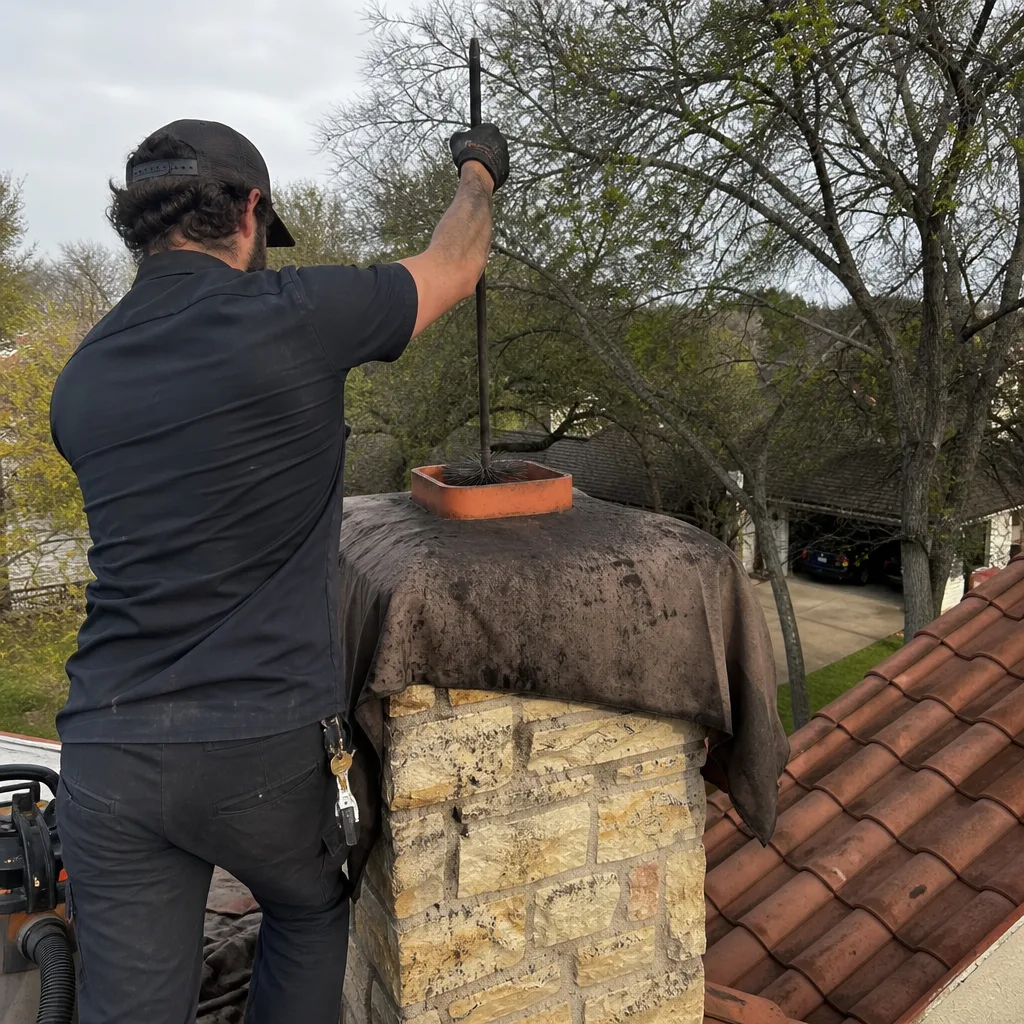
Our crew is factory-experienced with DuraFlex stainless steel liner systems and Gelco chimney caps and accessories. Multi-brand capability means we recommend the right product for your chimney’s condition, not the only one we know. Every estimate considers whether your setup needs HeatShield refractory repair, DuraFlex metal relining, or straightforward crown and cap work.
FAQs - HeatShield Chimney Cleaning Service in Denton
You’ll know by what the camera shows. Cracks confined to the top third of the flue usually qualify for spot repair. Debonding that extends below the smoke chamber, or multiple fracture patterns throughout the liner, typically requires full resurfacing. We measure the remaining liner thickness and bond strength during our Level 2 inspection, then quote both options in writing if both are viable. Call (940) 373-6912 for an exact assessment - estimates are free.
Yes. We use rotary chain and poly-bristle systems rated safe for HeatShield’s Cerfractory surface. The key is matching the tool to the creosote class - glazed Class III creosote needs mechanical action, while powdery Class I responds to sweeping alone. We inspect the liner condition before and after cleaning with the camera. Damage from improper cleaning is usually caused by steel brushes or excessive pressure, neither of which we use on HeatShield.
Heavy creosote on a HeatShield liner signals a problem beyond the liner itself. Common causes: flue diameter reduced by over-pouring, restricting draft; fireplace opening too large for the flue, causing smoke cooling and condensation; burning unseasoned wood or synthetic logs; or a chimney too short or too exterior for the appliance. We diagnose the root cause during inspection - cleaning alone won’t stop creosote from reforming if the draft is wrong. Call (940) 373-6912 and we’ll show you what the camera found.
Directly. Denton’s expansive clay soil shifts with moisture changes, stressing chimney structures and opening hairline gaps between the HeatShield liner and substrate. Freeze-thaw cycles then drive moisture into those gaps, expanding them. We see this pattern most in Denton’s older neighborhoods - the 1930s-1960s bungalows near Oak-Hickory and the rental stock around UNT. Proper crown maintenance and prompt repair of any liner separation are the best defenses.
No. Emberly Chimney Cleaners Denton is an independent HeatShield service provider. We are not affiliated with, authorized by, or endorsed by HeatShield’s manufacturer. Our expertise comes from field experience installing and repairing HeatShield systems across North Texas since 2009, not from a certification program. We use genuine HeatShield materials and OEM protocols because they work, not because we’re required to.
Our Chimney Cleaning & Sweep services for HeatShield in Denton typically run $285-$475 for a standard sweep and Level 2 inspection on a HeatShield-lined system. Spot repairs to the Cerfractory lining range from $650-$1,400 depending on access height and repair extent. Full HeatShield resurfacing or cast-in-place relining generally falls between $2,800-$4,500 for a typical single-flue masonry chimney. We deliver a written price before any work starts - Clause 1 of the Haven Standard, no exceptions. Call (940) 373-6912 for an exact quote on your chimney.
Book Your HeatShield Service in Denton, TX
Call (940) 373-6912. A live person answers, 24 hours a day. We’ll schedule your Level 2 inspection, send a background-checked technician with a name and a text when they’re en route, and deliver a written price before any work begins. Every job includes a documented photo record and the 365-Day Done Right Promise. Free second opinion on any competitor’s written estimate.
Written by Corrine Halstead, Owner at Emberly Chimney Cleaners Denton, serving Denton since 2009.