
Last updated September 22, 2026
Level 1 sweep and inspection to the NFPA 211 annual standard - flue, crown, cap, and flashing checked and photographed
Chimney sweep logs do not sweep chimneys. They loosen some creosote - which then falls where a brush and vacuum still have to collect it.
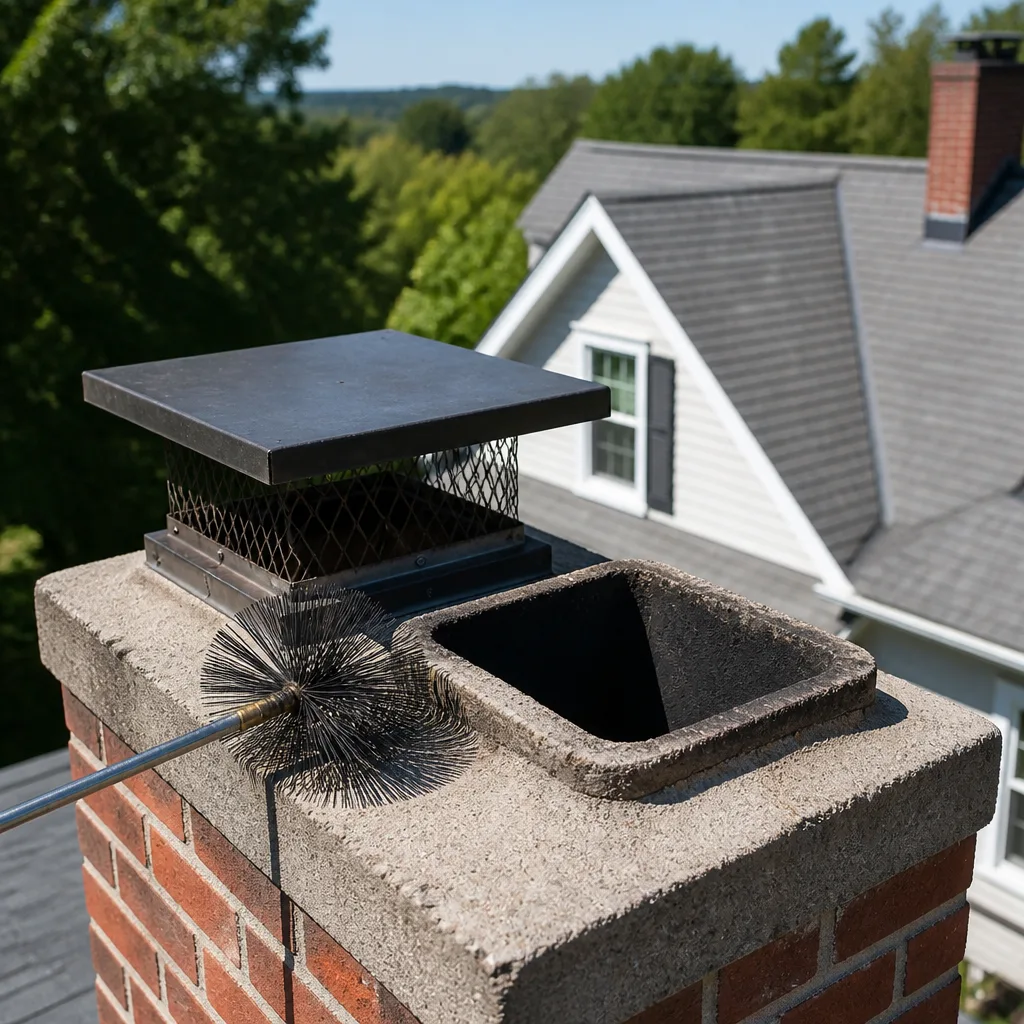
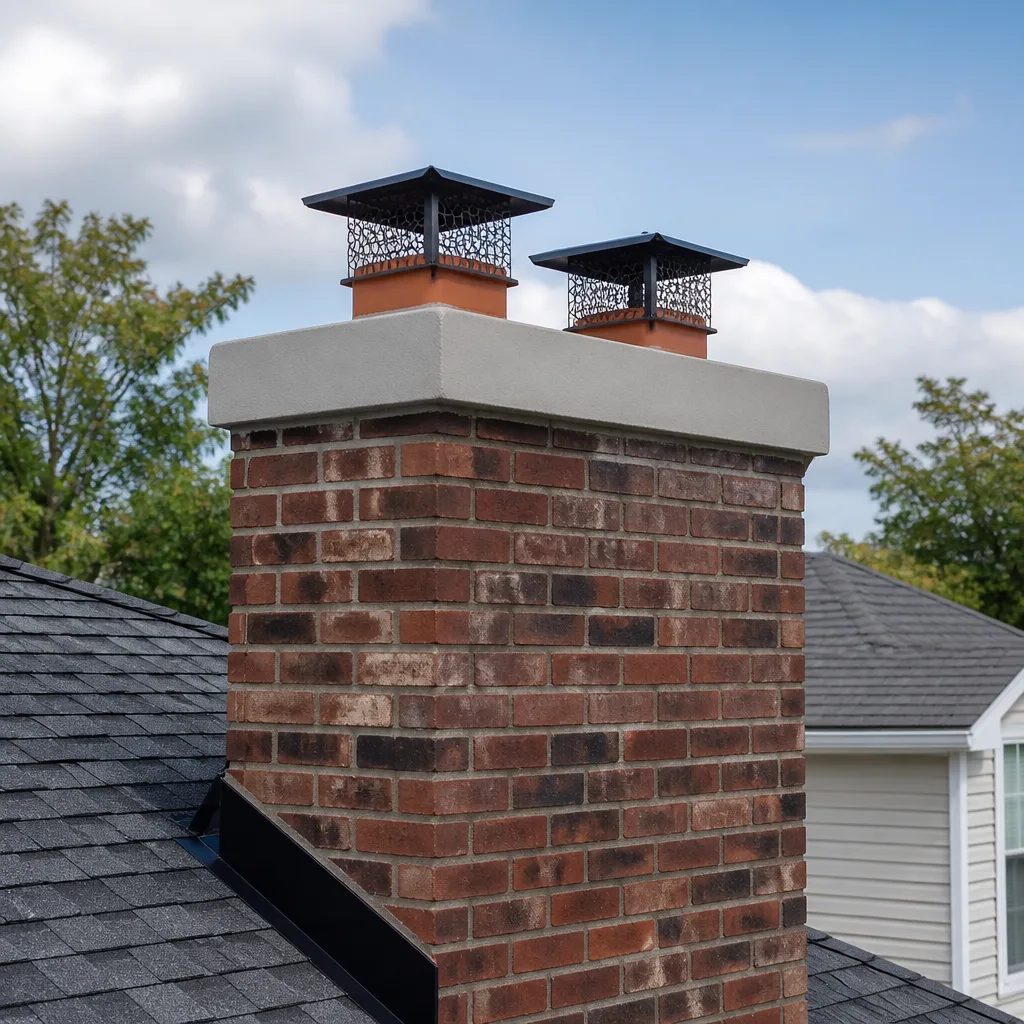
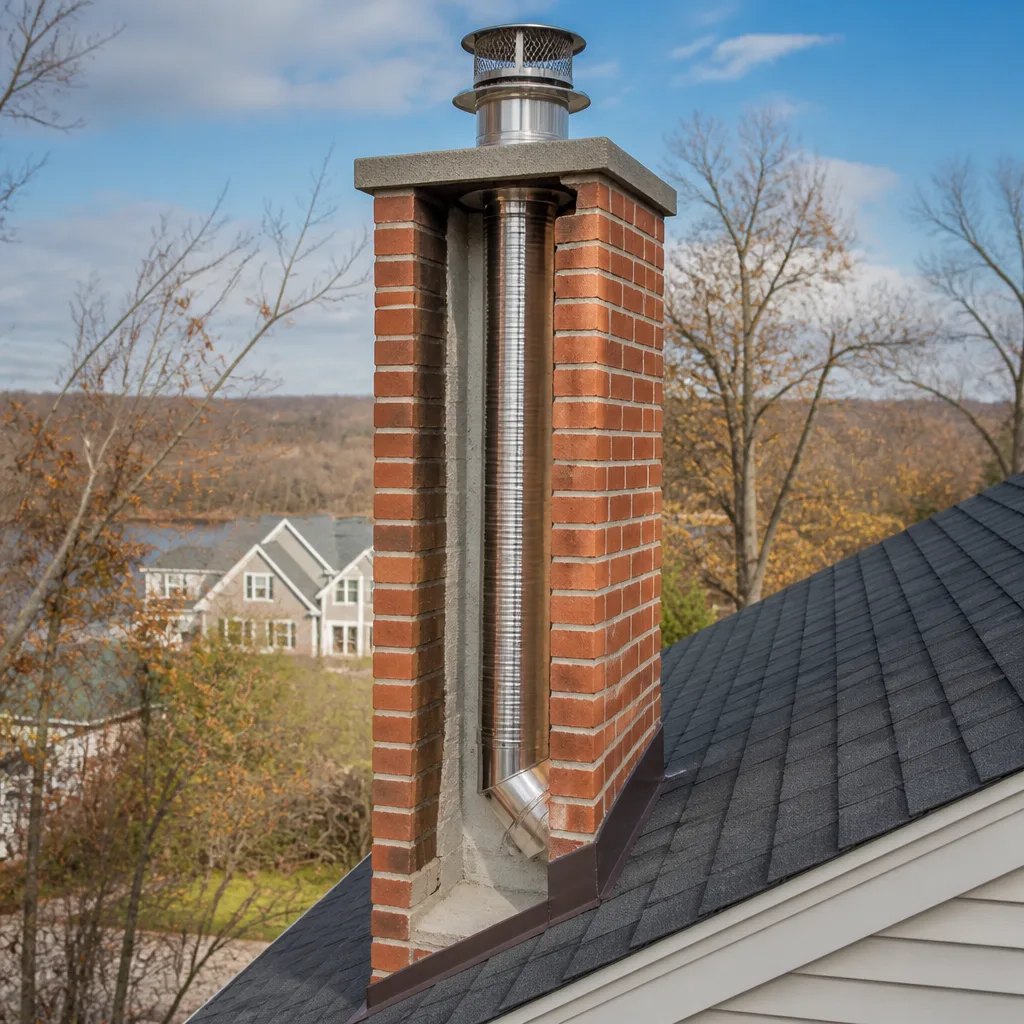
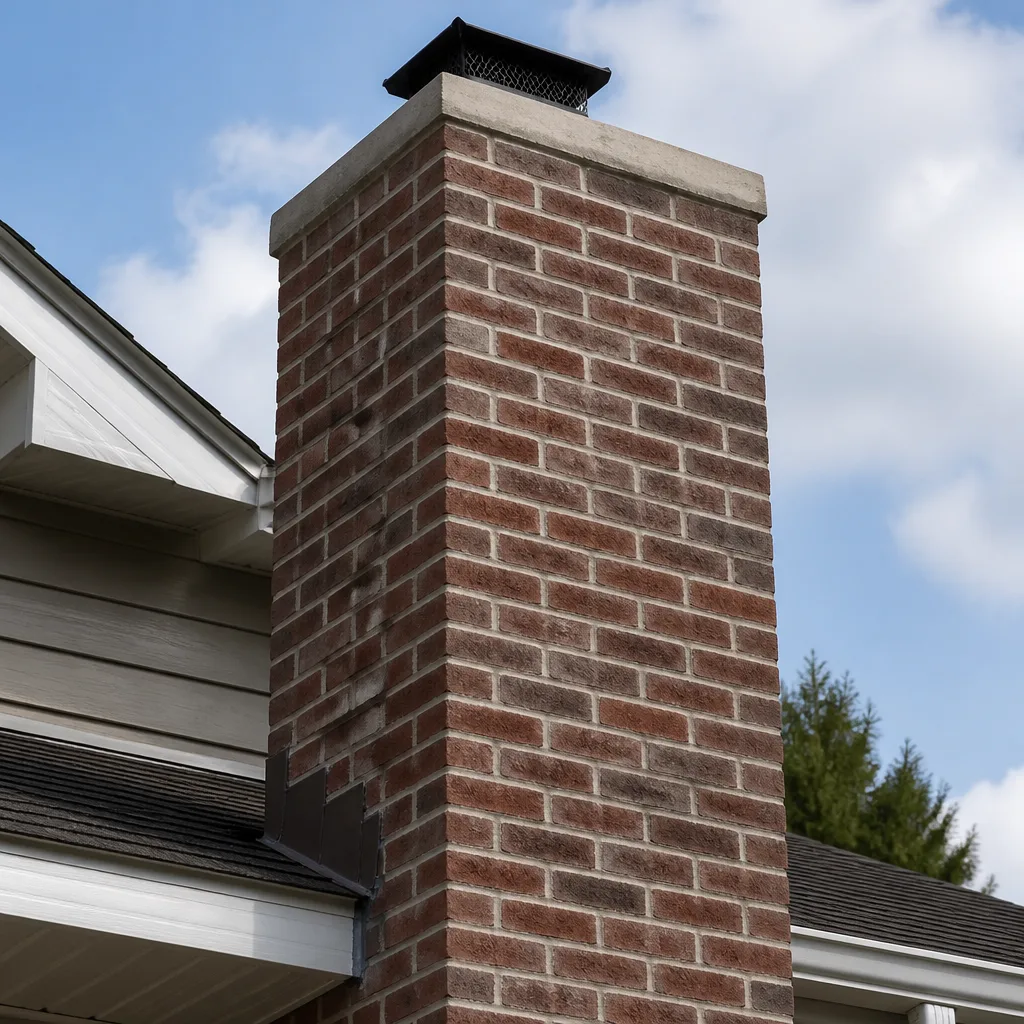
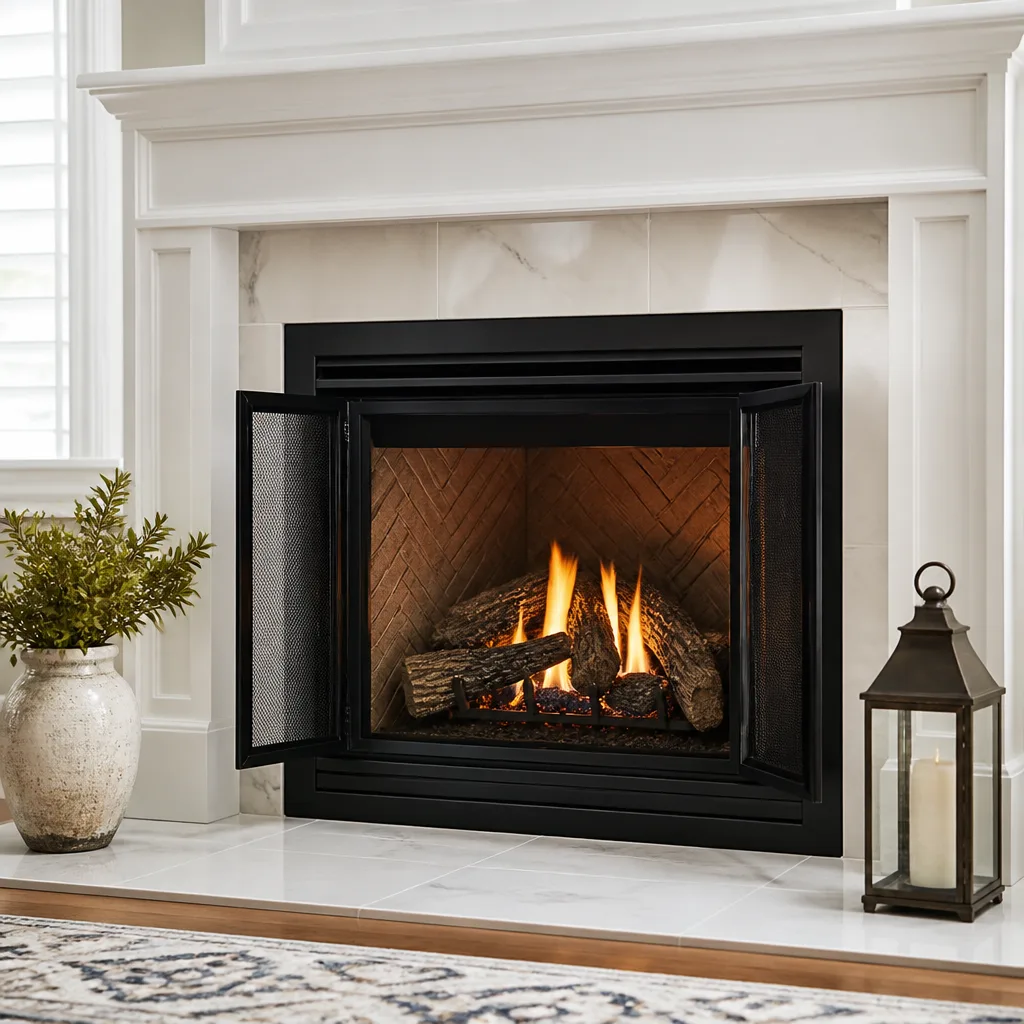
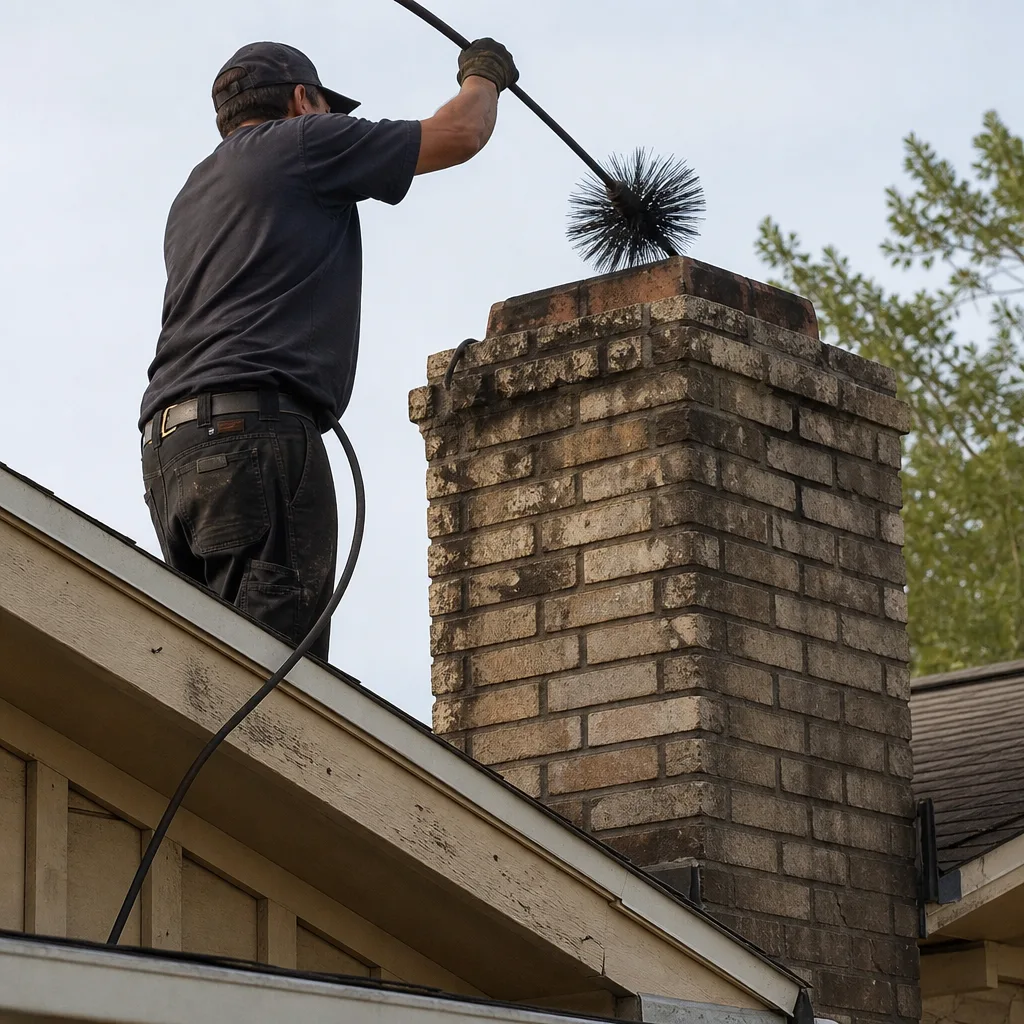 Before
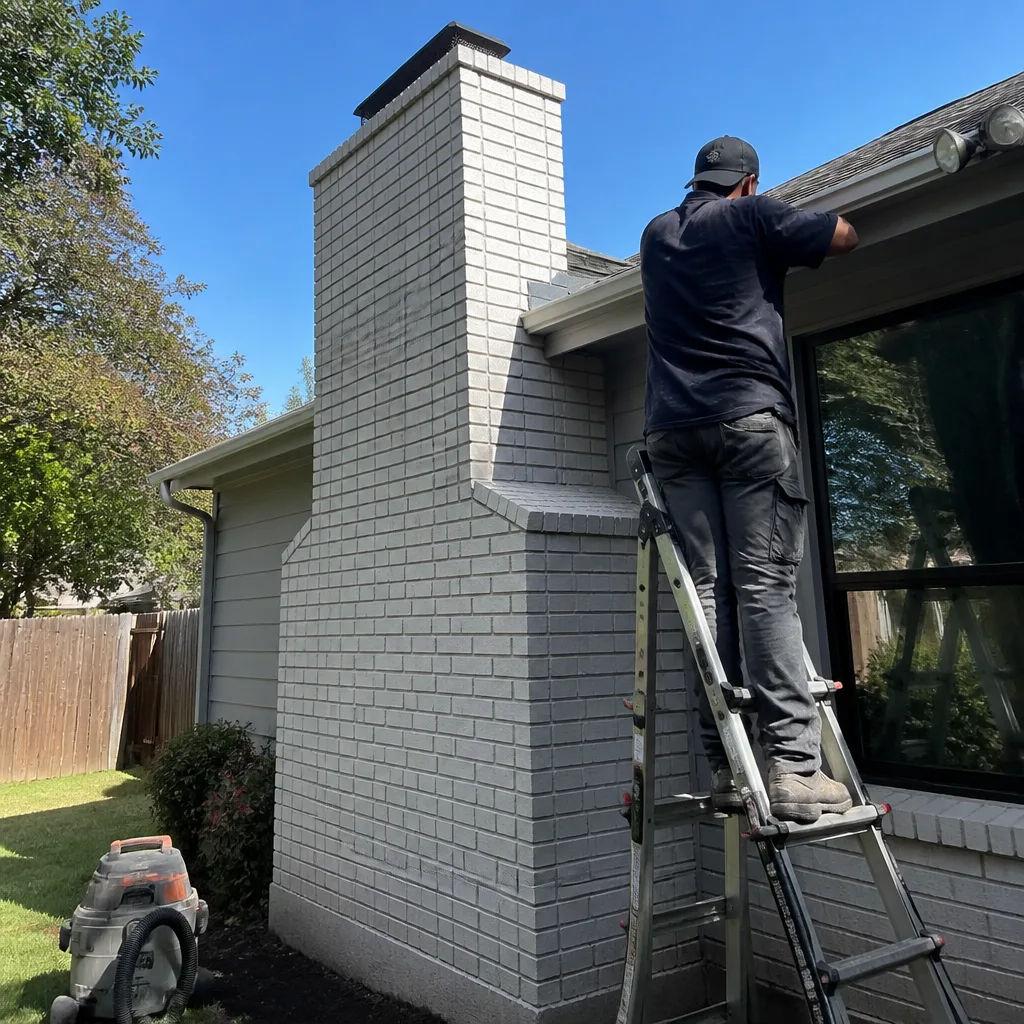 After
After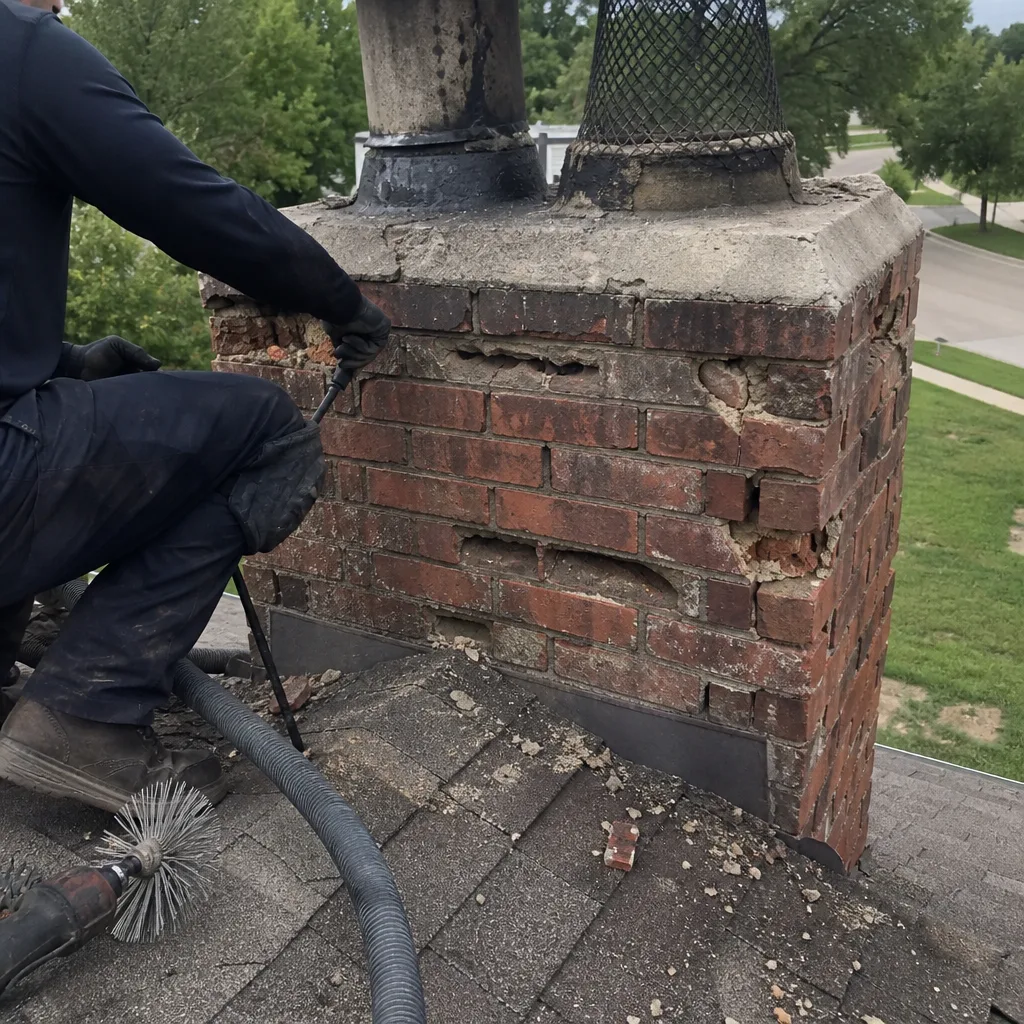 Before
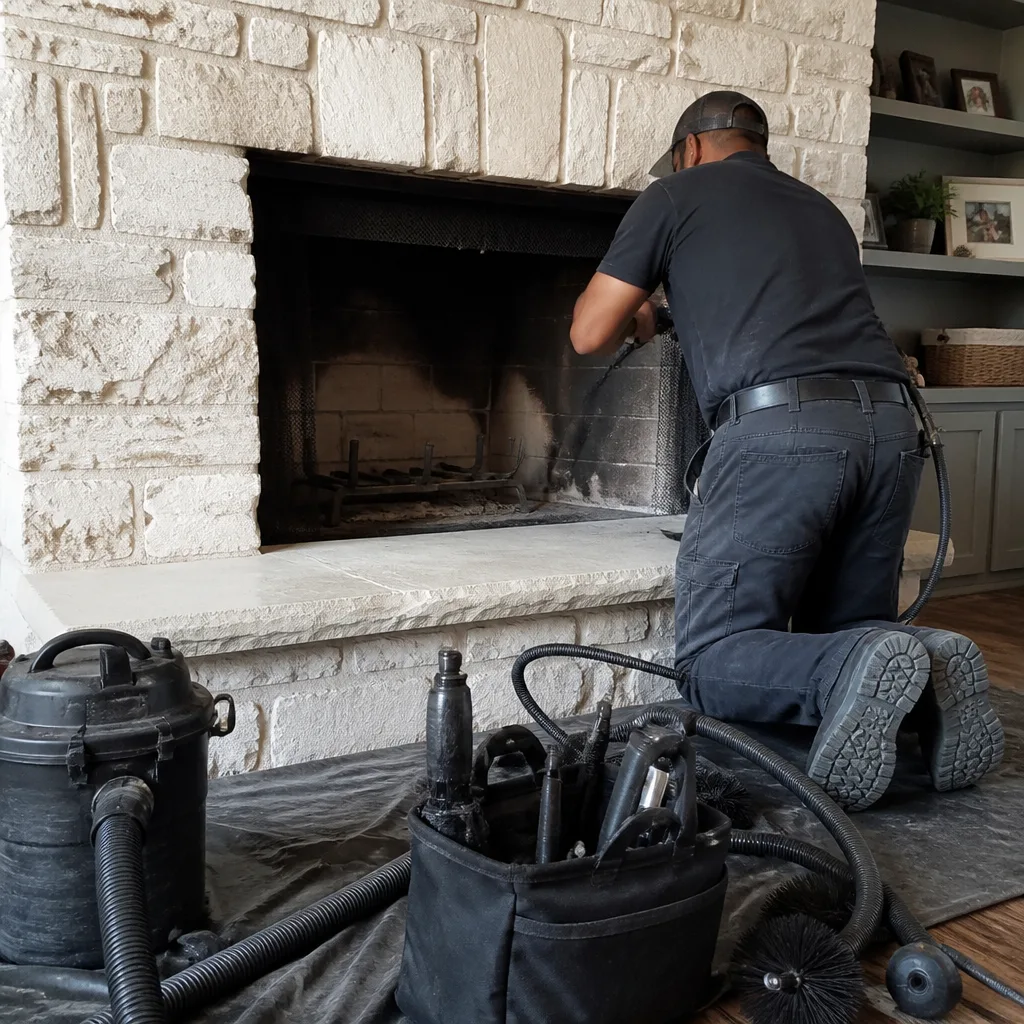 After
After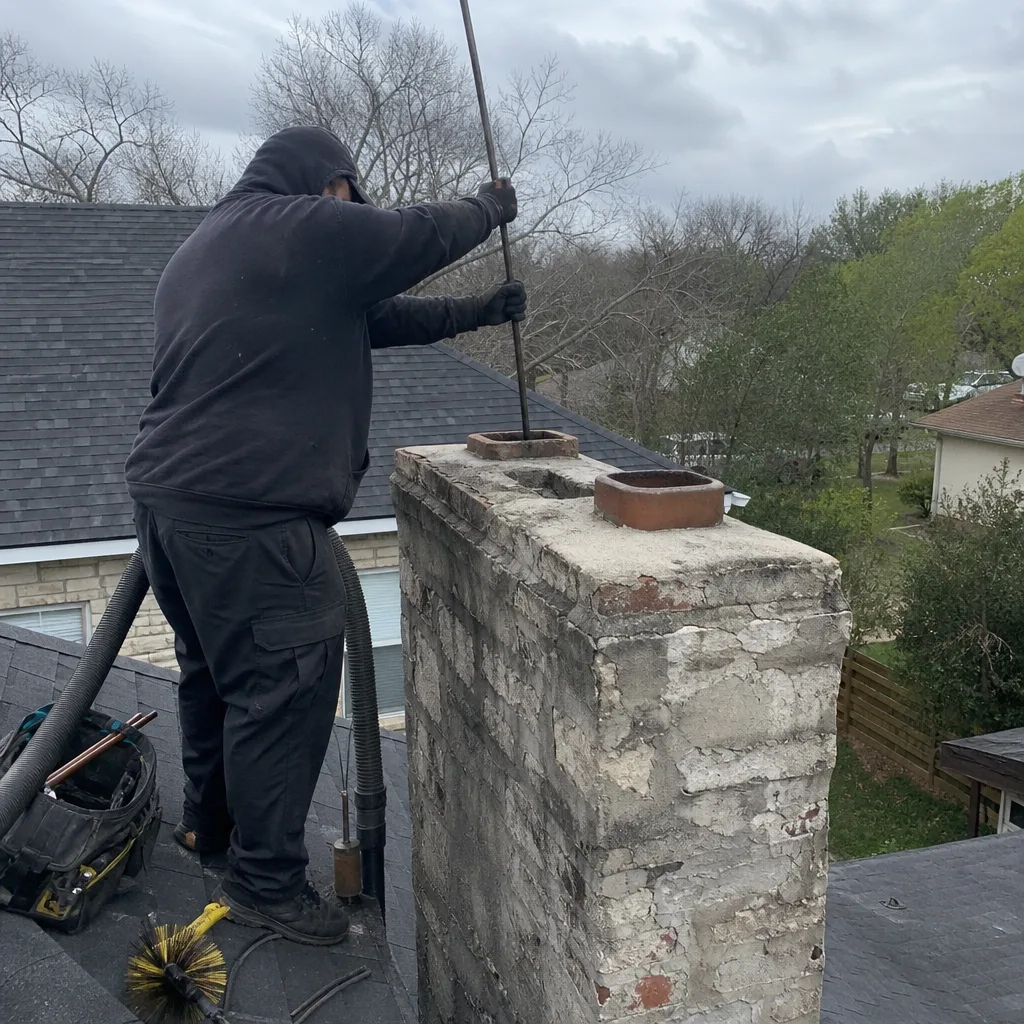 Before
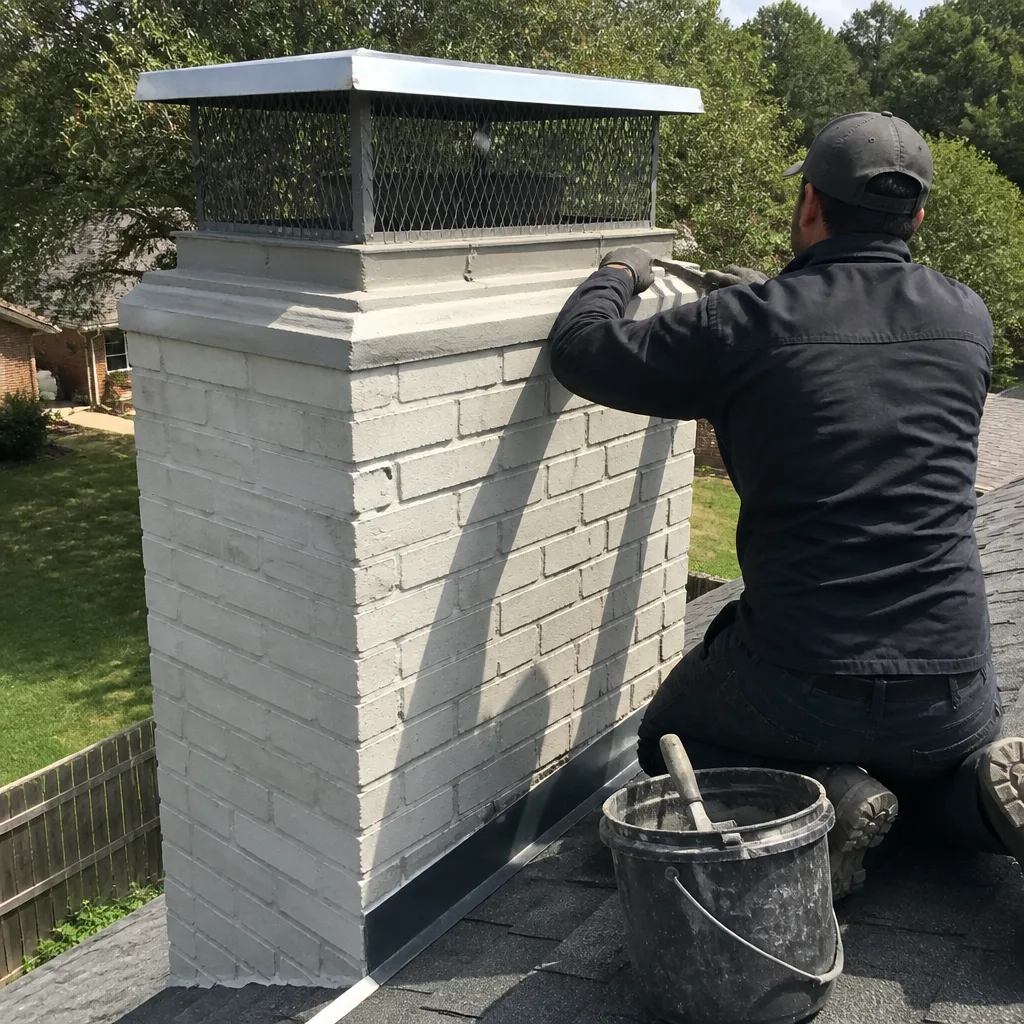 After
AfterHow to Hire a Chimney Cleaning Contractor in Denton: A Step-by-Step Guide
There is no Texas state license required to call yourself a chimney sweep. That single fact should change how every Denton homeowner evaluates a quote. In a market where a CSIA-certified technician with a $4,000 camera rig and a handyman with a brush bought online can both run Google ads, the difference in what you actually get is invisible until someone is already on your roof. We’ve been sweeping chimneys in Denton since 2009, and we’ve seen what happens when homeowners skip the interview. This guide-along with our more guides & resources-gives you five specific questions that surface the real standard before anyone schedules.
Quick Answer
To hire a chimney cleaning contractor in Denton, verify CSIA certification, confirm they perform camera-scan inspections (not flashlight-only), require a written price before work starts, ask what warranty language actually covers, and request a documented photo record of findings. In Denton’s climate, where clay flue liners expand through summer heat cycles and contract in winter, a visual-only inspection misses cracks that a camera catches every time; see our Seasonal Chimney Cleaning Care for Denton: Year-Round Homeowner’s Guide for why timing matters.
Table of Contents
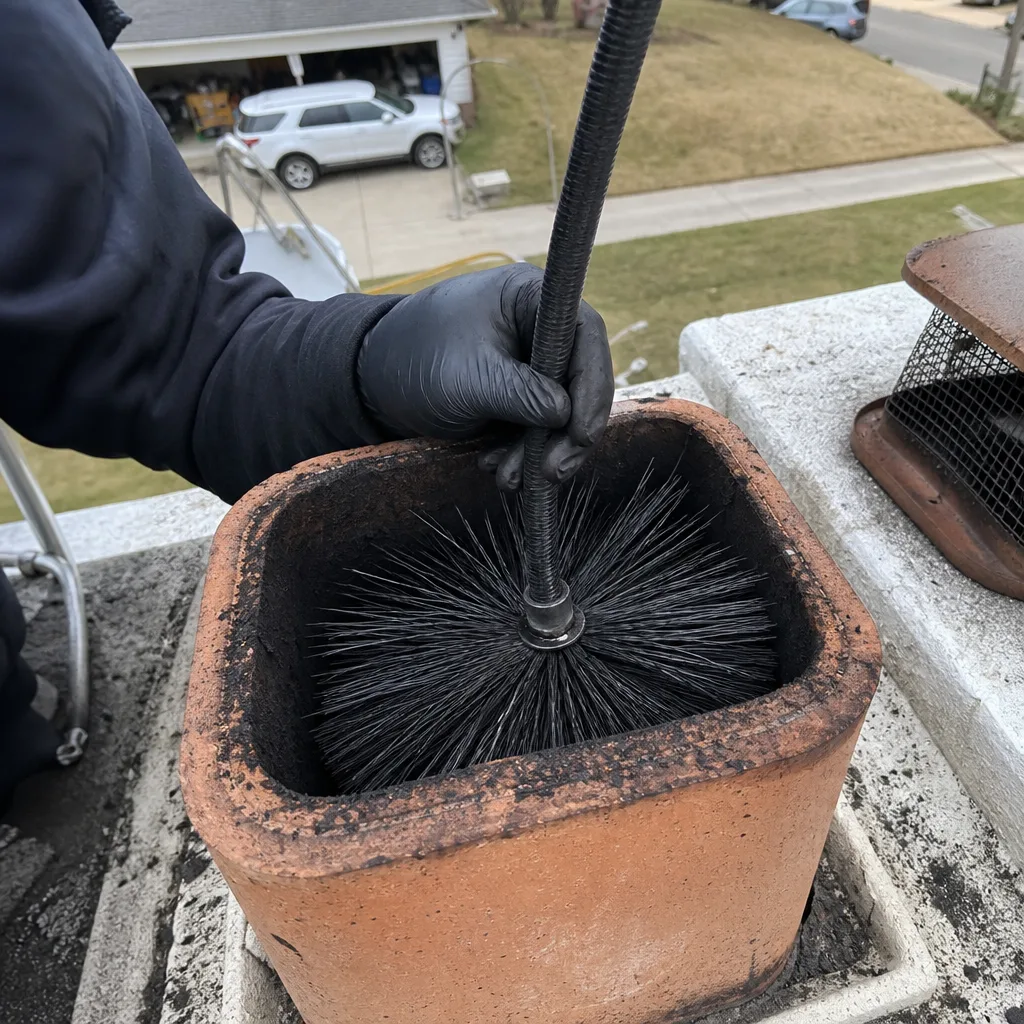
- No License Required: Why Denton’s Market Needs Extra Scrutiny
- The Five Questions That Separate Professionals from Pretenders
- What CSIA Certification Actually Tests (and What It Doesn’t)
- Written Price Before Work Starts: The Structural Reason It Matters
- Camera Inspection vs. Flashlight: The Standard Since 2009
- What a Real Warranty Covers vs. ‘Satisfaction Guarantee’ Exclusions
- Denton-Specific Factors: Climate, Codes, and Neighborhood Conditions
- Common Mistakes to Avoid
- When to Call a Professional
- Frequently Asked Questions
- The Bottom Line
BeforeAfterNo License Required: Why Denton’s Market Needs Extra Scrutiny
Texas does not regulate chimney sweeps at the state level. No license. No continuing education requirement. No inspector checking whether the person on your roof has ever touched a flue liner before. Denton County requires a general business registration, but that is a tax filing, not a competence check.
This matters because chimney work sits at the intersection of fire safety and carbon monoxide exposure. A blocked flue or cracked liner doesn’t inconvenience you; it can redirect combustion gases into living spaces. The stakes are real, and the market doesn’t filter for skill.
We’ve responded to calls in Oakmont and Southridge where a previous “sweep” ran a brush up from the fireplace, collected their fee, and left a partially obstructed flue that our camera found coated in glazed creosote. The homeowner thought they’d been serviced. They’d been visited.
The gap between competent and cosmetic work is invisible without documentation. That is why we built our hiring framework around verifiable standards, not trust signals. In Denton’s growing market, with new construction in Robson Ranch and aging stock in the historic district near Quakertown Park, the range of contractor quality is wide. Your job is to narrow it before the truck arrives.
Here’s what we tell friends who ask: treat the first phone call like a job interview. The contractor is applying to work on your home. These five questions are the screen.
The Five Questions That Separate Professionals from Pretenders
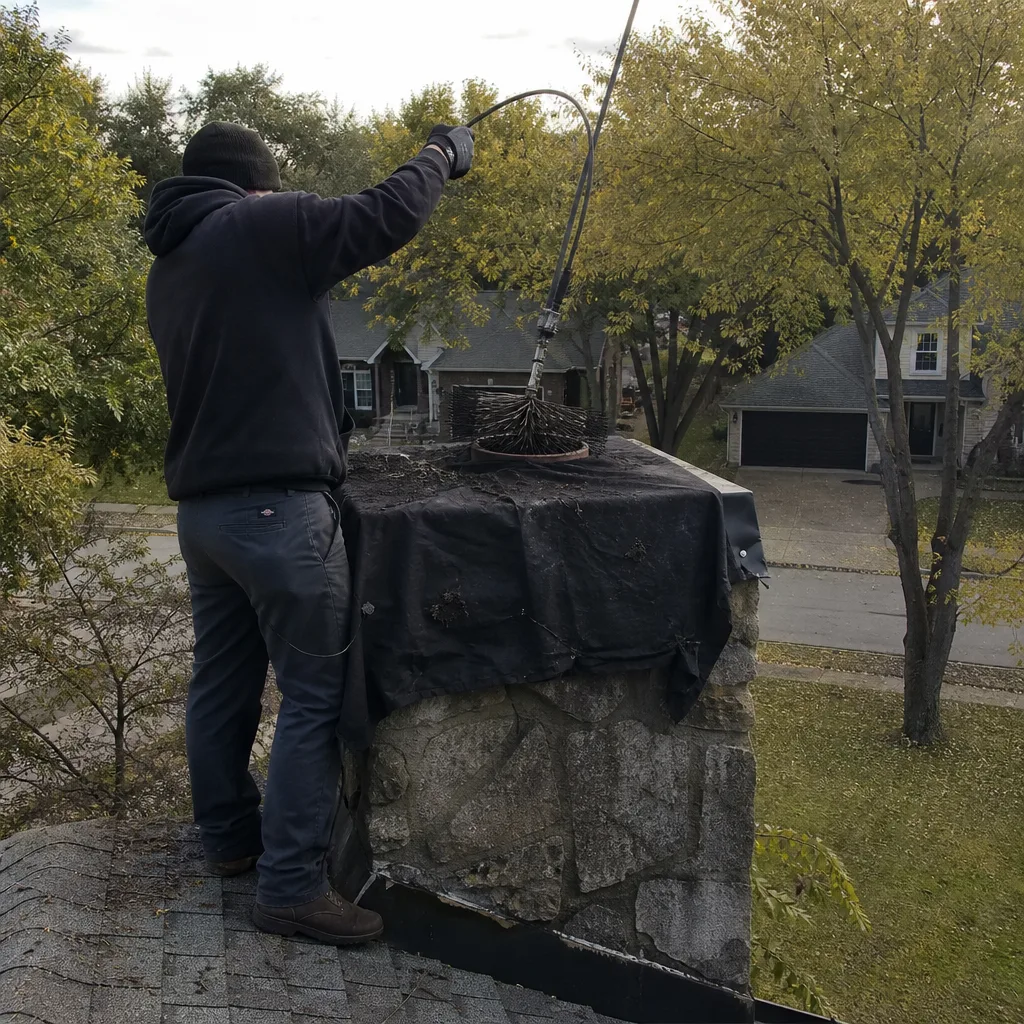
These questions are designed to surface structural differences between operations. They are not trick questions. A legitimate contractor will have immediate, specific answers. A pretender will deflect, generalize, or pressure you to schedule first.
Question 1: “Are your technicians CSIA-certified, and can I see the certification number?”
Green flag: Immediate confirmation, offer to email proof, specific names of certified techs.
Red flag: “We’re certified” without specifying who, “the owner used to be certified,” or “we have years of experience instead.”
CSIA (Chimney Safety Institute of America) certification requires passing a closed-book exam on NFPA 211 standards, combustion science, and venting systems. It expires and must be renewed. Ask for the number. Verify it at csia.org.
Question 2: “Do you perform a camera-scan inspection of the flue interior, and is that included in the sweep price?”
Green flag: “Yes, we camera every flue from top to bottom; it’s standard on every job.”
Red flag: “We can add that,” “our technician will assess if it’s needed,” or “we use a bright flashlight.”
A flashlight inspection of a flue liner is like checking your engine with the hood closed. You see the throat, maybe the first few feet. You do not see the lateral cracks, spalling clay, or missing mortar joints that develop in Denton’s heat-cycling climate. Camera documentation is Clause 4 of the Haven Standard we adopted in 2009, and it should be your baseline for comparison.
Question 3: “Will you give me a written price, scope, and warranty before any work begins?”
Green flag: “Yes, we deliver all three in writing before we start; you’ll sign off before we touch tools.”
Red flag: “We’ll quote after we look,” “our technician can explain pricing on-site,” or any variation of “call for a quote.”
This is structural. A contractor who won’t commit to a number until they’re in your living room has an incentive to discover problems once they’re already there. The pressure is real, and the upsell is common. Written price before work starts is Haven Standard Clause 1, and it’s non-negotiable in our operation.
Question 4: “What does your warranty cover specifically, and what voids it?”
Green flag: Specific coverage periods, named components, clear exclusions, written document.
Red flag: “100% satisfaction guaranteed,” “we stand behind our work,” or verbal assurances only.
“Satisfaction guaranteed” sounds protective. It typically means they’ll return if you complain. It does not mean they’ll pay for water damage from a crown they installed incorrectly, or replace a liner that fails because they sized it wrong. Ask for the document. Read the exclusions.
Question 5: “What documentation do I receive when the job is complete?”
Green flag: Photo record, written condition report, invoice with scope listed, warranty document.
Red flag: “We’ll leave a receipt,” or “the technician will tell you what he found.”
Documentation is evidence. In Denton, where home sales in Cross Oaks Ranch and Paloma Creek move quickly, a documented chimney record speeds inspections and protects value. It’s also your protection if something fails later. We include a photo record on every visit, archived under Haven Standard Clause 4, because memory is not evidence.
What CSIA Certification Actually Tests (and What It Doesn’t)
CSIA certification is the closest thing to a professional standard in chimney work, and it matters. The exam covers solid fuel and gas venting, NFPA 211 code requirements, combustion chemistry, and clearances to combustibles. A certified technician has demonstrated baseline competence in systems that can kill people if mishandled.
But the certification has limits. It does not test equipment quality. It does not require camera inspection. It does not mandate written pricing, background checks, or warranty specificity. A CSIA-certified sweep can legally show up with a brush from a hardware store, eyeball your flue, and hand you a verbal bill.
This is why we treat CSIA certification as necessary, not sufficient. Our technicians are CSIA-certified. They also carry camera equipment that costs more than most used cars, submit to background checks, and work under a written standard that exceeds the certification’s minimums.
For Denton homeowners, the practical question is: what does the certification plus? In our case, certification plus camera documentation, plus written price before work, plus the 365-Day Done Right Promise, plus archived photo records since 2009. That stack is the standard. Certification alone is a floor.
We’ve performed over 38,000 chimney inspections and cleanings since 2009. Every one had a written price before work started and a documented record when it was done. The certification got us in the door. The standard kept us there.
Written Price Before Work Starts: The Structural Reason It Matters
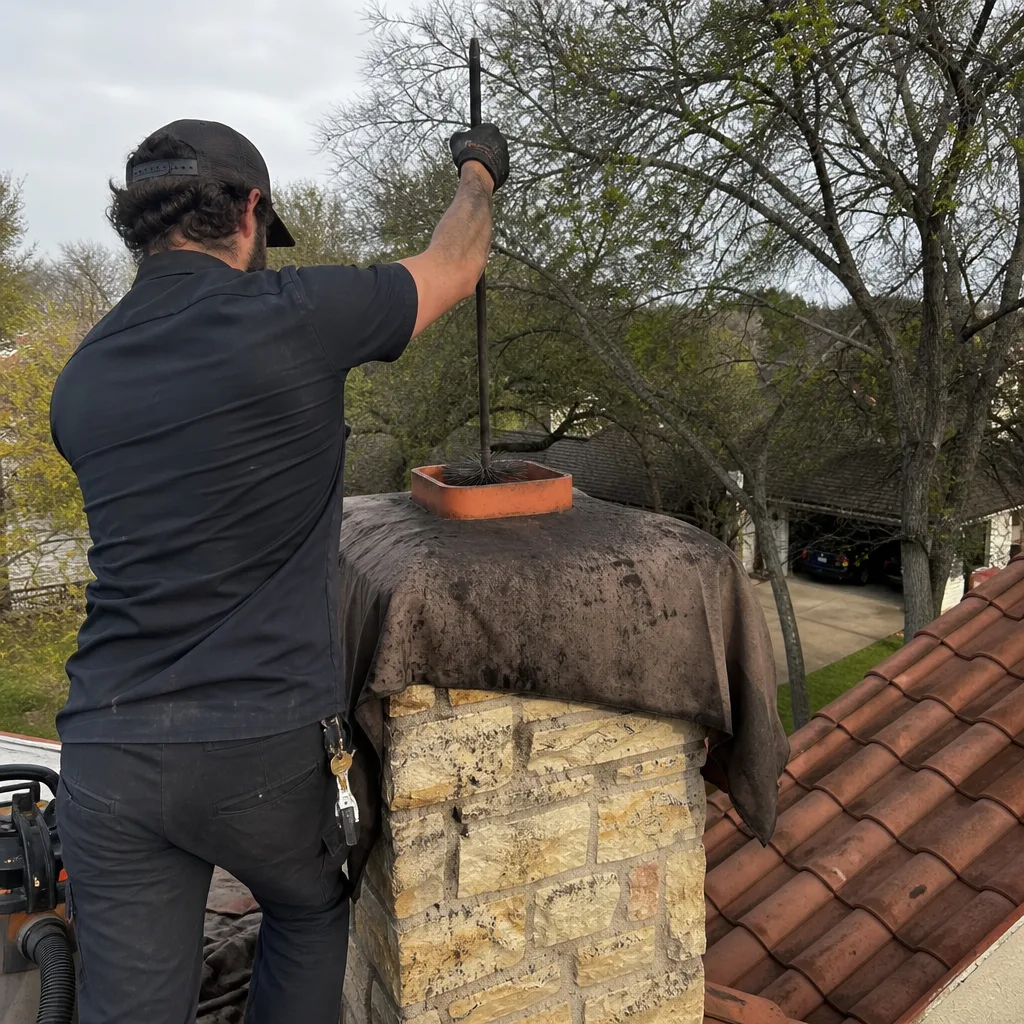
The “free estimate” model in home services creates a specific conflict. A technician travels to your home, invests time, and needs to convert that investment into revenue. Once inside, the pressure to find billable work is real, whether conscious or not. This is not a moral failing; it’s structural economics.
We’ve seen the result in Denton homes from Providence to Rayzor Ranch: homeowners told they need $3,800 in liner work based on a “visual concern” that our camera later showed was surface staining. The original contractor wasn’t dishonest; they were working without data and had an incentive to recommend the safest (for them) course.
Written price before work starts breaks this cycle. Here’s how it functions in practice:
- You describe your chimney, fuel type, and any known issues.
- We provide a written price range or flat rate for the sweep and inspection.
- If the camera finds additional needs, we show you the image, explain the finding, and provide a separate written price for that scope.
- No work proceeds without your written approval.
This is Haven Standard Clause 1: “Have it in writing.” Price, scope, warranty. All three before tools touch your chimney. The 365-Day Done Right Promise backs it; if it’s not done right, we make it right.
The alternative, common in Denton’s market, is the “diagnostic fee” or “service call” that morphs into a multi-thousand-dollar recommendation once the technician is standing in your living room. You’re not equipped to evaluate the claim. The technician knows it. Written pricing before arrival removes that asymmetry.
We also offer a Free Second Opinion on any written estimate. Bring us a competitor’s written quote. We’ll camera-inspect the same conditions and tell you what we find. No charge. The written estimate requirement protects both of us; it means the original contractor committed to something specific enough to compare.
Camera Inspection vs. Flashlight: The Standard Since 2009
A flue liner is a vertical shaft, often 15 to 25 feet, that carries combustion gases from your fireplace or appliance to the exterior. In Denton’s climate, clay tile liners expand in summer heat, contract in winter, and develop thermal cracks over years. Metal liners corrode. Mortar between tiles deteriorates. None of this is consistently visible from the top or bottom with a flashlight.
Camera inspection means a high-resolution video scope travels the full length of the flue, recording every joint, every tile, every surface condition. The technician watches live and captures still images of anything abnormal. You see what they see. The record is archived.
We made this standard in 2009, before NFPA 211 required it for real estate transactions, before insurers began requesting documentation. It became Clause 4 of the Haven Standard because we kept finding conditions that flashlight inspections missed: lateral cracks hidden behind soot, missing mortar joints that allowed gas migration, spalling clay that would soon obstruct the flue.
In Denton specifically, camera inspection catches patterns we’ve documented across neighborhoods. In Hickory Creek and areas with 1980s construction, we regularly find clay liners with thermal fatigue from decades of expansion cycling. In newer developments like Arrowhead, we find construction debris and incomplete mortar joints that should have been caught at build but weren’t. The camera doesn’t guess; it shows.
A contractor who offers “inspection” without camera documentation is offering opinion without evidence. Ask yourself: if they find a crack, how will they prove it to you? If they recommend a $2,400 liner replacement, what documentation supports that? A photo record is not an add-on. It’s the difference between diagnosis and speculation.
Our materials come from DuraFlex, HeatShield, Gelco, Olympia Chimney, Famco, and Copperfield, procured through Haven’s buying network to keep customer prices honest. But the right material installed without proper diagnosis is still the wrong repair. Camera first. Then scope. Then price. Then work.
What a Real Warranty Covers vs. ‘Satisfaction Guarantee’ Exclusions
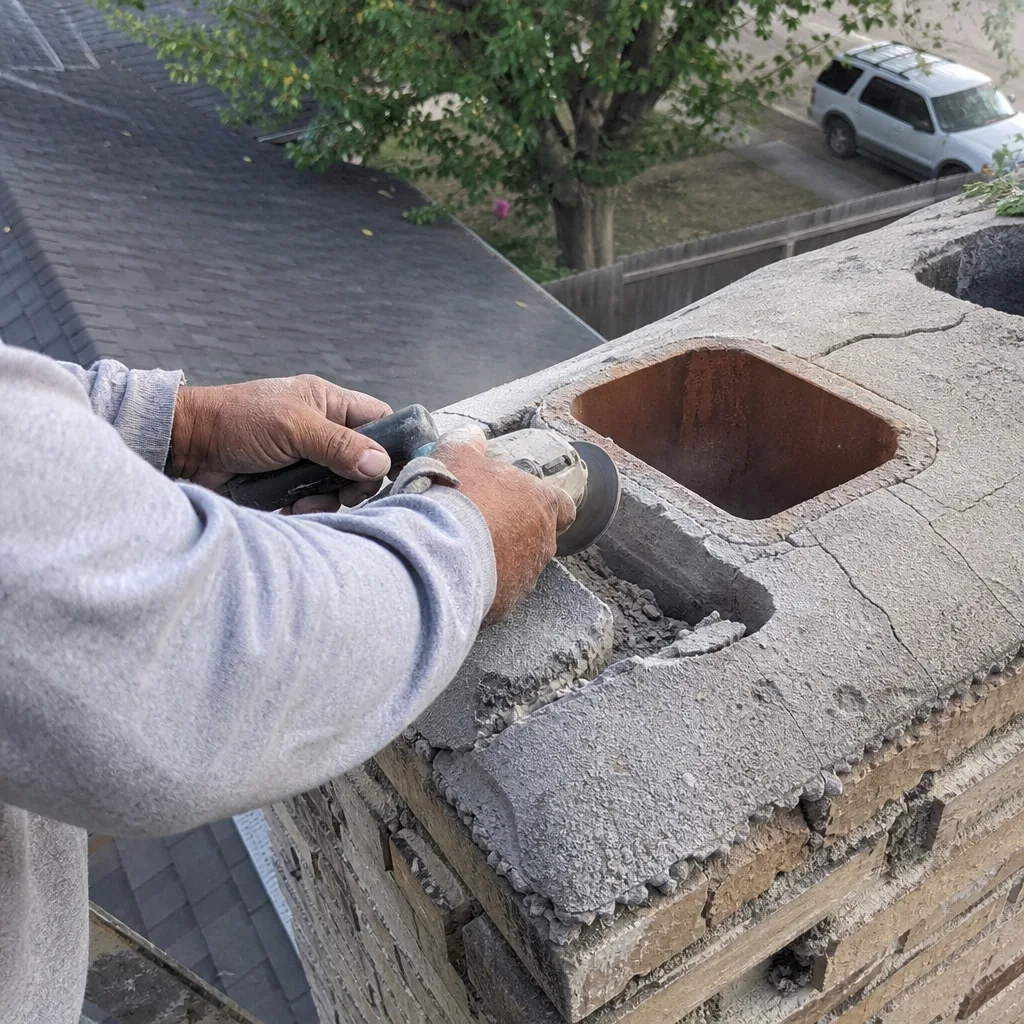
Warranty language is where many contractors hide limitations in plain sight. The words sound protective; the actual coverage is narrow. Understanding the difference protects you from paying twice for the same problem.
A “satisfaction guarantee” typically means the contractor will return to address your complaint. It does not specify what they’ll do, what costs they cover, or what conditions void the promise. It is a customer service gesture, not a financial protection.
A legitimate written warranty specifies:
- Covered components: Exactly what parts and labor are guaranteed (liner, crown, cap, masonry, etc.)
- Coverage period: Number of years, with start date defined
- Transferability: Whether coverage passes to a new homeowner
- Exclusions: What voids the warranty (DIY modifications, third-party repairs, specific weather events, lack of annual maintenance)
- Remedy: Whether the contractor repairs, replaces, or refunds
The 365-Day Done Right Promise is our warranty structure: if it’s not done right, we make it right. Specific, limited to one year, documented on every invoice. We can point to it. We can explain what “done right” means for your specific scope.
We’ve reviewed competitor “warranties” in Denton that exclude damage from “acts of God” (undefined), require annual sweeps by their company only (locking in future revenue), or limit remedy to “material cost only” (leaving you to pay labor twice). The language is there if you read it. Most people don’t.
Before hiring any contractor, request the warranty document in advance. Read the exclusions section carefully. If it’s not in writing, it doesn’t exist. Haven Standard Clause 1 applies here too.
Denton-Specific Factors: Climate, Codes, and Neighborhood Conditions
Denton’s climate and construction patterns create specific chimney risks that a generic guide won’t mention. Hiring locally means finding someone who accounts for these factors, not just someone with a Denton ZIP code on their website.
Heat cycling and clay liners: Denton sees summer highs above 100°F and winter lows in the teens. Clay flue liners expand and contract through this range. Over decades, the thermal stress produces hairline cracks that widen progressively. A camera inspection catches these in stages; a flashlight inspection often misses them until they’re wide enough to leak combustion gases. We’ve replaced liners in Denia homes where the clay was intact to casual inspection but cracked through multiple courses.
Wind-driven rain and crown deterioration: Denton sits in Tornado Alley with persistent south winds. Chimney crowns take direct wind and rain exposure. A crown with minor cracking in year one can be spalling concrete in year five if water freezes in the gaps. We inspect crown condition as standard and document it in every photo record.
Historic construction in the original town grid: Homes near Quakertown Park and the Historic Denton district often have unlined brick chimneys or early clay liners that don’t meet modern clearances. These require careful evaluation, not aggressive cleaning that can damage fragile masonry. We’ve worked on chimneys in this area built before 1920; the approach is documentation-first, minimal intervention until conditions are fully understood.
HOA and aesthetic requirements in planned communities: Robson Ranch, Paloma Creek, and similar developments often restrict exterior modifications. Cap and crown replacements need to match existing profiles. We source from Gelco and Olympia Chimney specifically for their range of finishes and dimensions that comply with common HOA requirements.
Local permit reality: Denton requires permits for structural chimney modifications and liner replacements. A contractor who suggests working without permits to “save you money” is exposing you to liability and future sale complications. We pull permits as required and document them in your job record.
Common Mistakes to Avoid
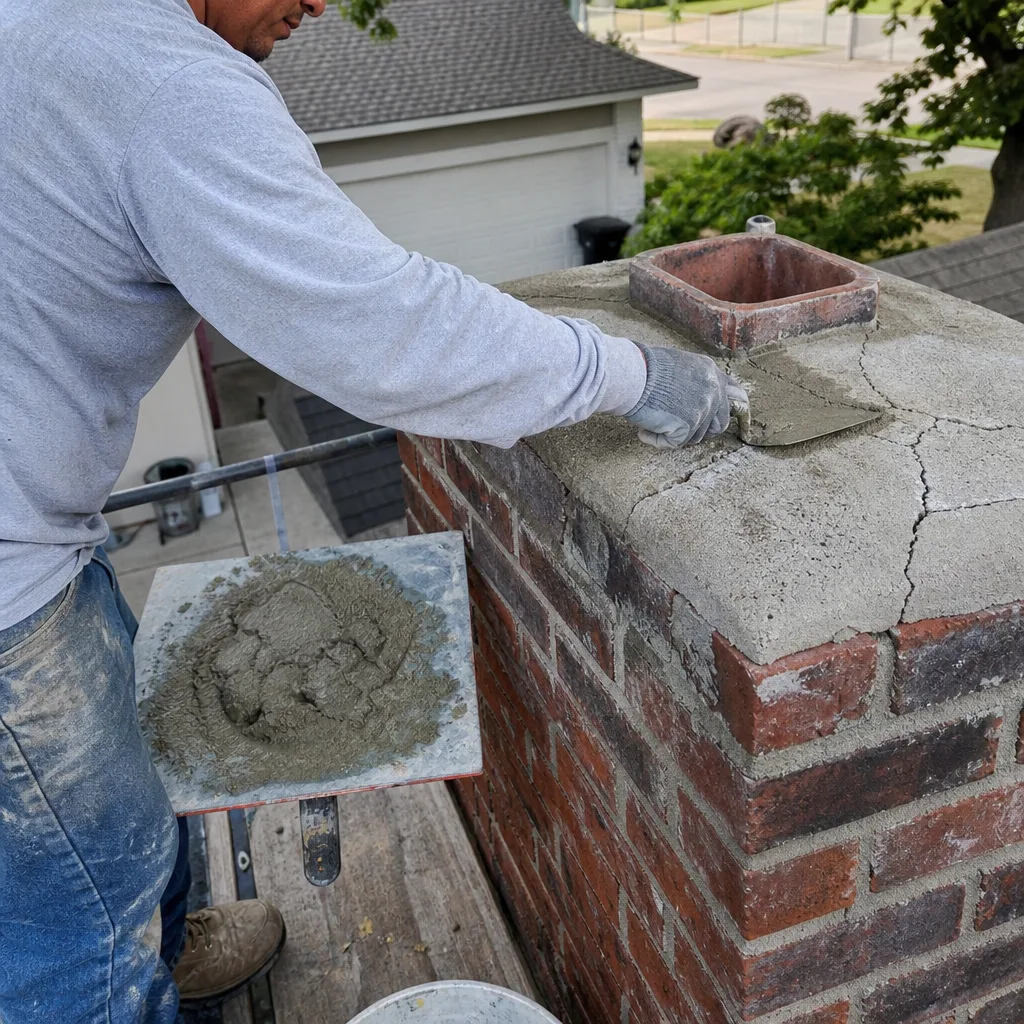
- Hiring based on lowest price alone. A $99 sweep that doesn’t include camera inspection, written documentation, or proper soot containment isn’t a deal; it’s a partial service that leaves hidden conditions unaddressed. In Denton’s market, legitimate camera-based sweeps run higher because the equipment and time cost more.
- Assuming CSIA certification equals full service quality. Certification tests knowledge; it doesn’t mandate equipment, documentation, or business practices. Verify what the certification plus in actual service delivery.
- Accepting verbal estimates or “we’ll see when we get there” pricing. This structure incentivizes discovery of additional needs once the technician is in your home. Written price before work starts is your protection.
- Skipping the warranty document review. “Satisfaction guaranteed” sounds comprehensive. It rarely is. Read exclusions before scheduling.
- Neglecting to ask about photo documentation. If a contractor finds a crack, recommends a liner, or identifies “dangerous” creosote buildup, you should see the image. No photo, no proof. This is especially important in Denton, where clay liner thermal cracking is common but invisible without camera inspection.
- Booking without verifying who arrives. Background-checked, uniformed technicians with license numbers displayed are standard at legitimate operations. Ask: will I know the technician’s name before arrival? Will I receive a text when they’re en route?
- Ignoring neighborhood-specific risks. A sweep in a 2020 Rayzor Ranch build has different priorities than a sweep in a 1950s Denia ranch. The contractor should ask about age, fuel type, and known issues before quoting.
When to Call a Professional
Call a chimney professional before burning season begins, if you notice smoke backup, odd odors, or visible exterior damage, or if your chimney hasn’t been inspected in over a year. After severe weather, including Denton’s spring hail and wind events, an exterior check is prudent even if the fireplace seems to function.
Specific scenarios that warrant immediate attention: visible cracks in the exterior masonry, water staining on interior walls near the chimney, a rusted or missing cap, or any suspicion of animal intrusion. These conditions worsen quickly and can affect structural integrity or indoor air quality.
Carbon monoxide is the invisible risk. A blocked or damaged flue doesn’t always produce visible smoke. If you have headaches, nausea, or fatigue that improves when you leave the house, evacuate and call for emergency evaluation before scheduling maintenance.
Emberly Chimney Cleaners Denton offers free estimates in Denton. Our live phone support runs 24 hours a day, 7 days a week. Call (940) 373-6912 to schedule a camera-scan inspection with written pricing before any work begins.
Frequently Asked Questions
A professional chimney sweep with camera inspection in Denton typically ranges from $199 to $349, depending on appliance type, accessibility, and whether the flue requires additional cleaning beyond standard maintenance. Sweeps that include full NFPA 211 Level 2 inspection with documented photo record run toward the higher end. Call (940) 373-6912 for an exact quote; estimates are free.
The National Fire Protection Association recommends annual inspection for all chimneys, with cleaning frequency determined by use and fuel type. In Denton, where many homeowners burn oak and pecan from local sources, we often find heavier creosote buildup than national averages suggest; annual sweeping is the safer baseline for wood-burning systems. Gas appliances need annual inspection but typically less frequent cleaning.
You need a new flue liner only if inspection documents specific damage: cracks that penetrate the tile, missing mortar joints, or deterioration that compromises the liner’s ability to contain combustion gases. We recommend nothing without camera evidence you can see yourself. Some conditions can be repaired with HeatShield refractory sealant; others require stainless steel replacement. The photo record determines which.
Skipped maintenance allows creosote accumulation, which is combustible and causes chimney fires; structural deterioration that can leak carbon monoxide into living spaces; and minor damage that becomes major repair. In Denton’s climate, thermal cycling accelerates liner damage that annual inspection catches early. The cost of prevention is consistently lower than the cost of remediation after failure.
A Level 1 inspection is visual, accessible-surface examination without specialized equipment, appropriate for chimneys with no changes in use or condition. A Level 2 inspection includes camera examination of the flue interior, accessible portions of the attic and basement, and documentation of all findings; it’s required for real estate transactions, after weather events, or following any operational change. We perform Level 2 as standard because the additional information changes recommendations significantly.
We don’t recommend DIY chimney cleaning for most homeowners. Proper cleaning requires roof access, specialized brushes sized to your flue, and camera equipment to verify the result. More critically, chimney work involves genuine hazards: falls from height, exposure to carcinogenic creosote, and the risk of damaging fragile liner components. For professional chimney cleaning in Denton, trained technicians with documented procedures are the safer choice. Call (940) 373-6912 to schedule.
The Bottom Line
Hiring a chimney contractor in Denton requires more than checking reviews and comparing prices. The lack of state licensing means the market includes genuine professionals and dangerous pretenders, and the difference doesn’t show in a Google listing. Use the five questions: CSIA certification, camera inspection standard, written price before work, specific warranty language, and documented photo record. Any contractor who resists these questions is telling you something.
We’ve applied these standards since 2009, completing over 38,000 inspections and cleanings with a written price before every job and a photo record after. The Haven Standard isn’t marketing language; it’s the documented practice that built our operation. In Denton’s specific climate and construction market, camera documentation isn’t optional; it’s the only way to see what actually matters.
Call (940) 373-6912 for a free estimate. A live person answers 24 hours a day, 7 days a week. We’ll provide a written price before any work starts, perform a camera-scan inspection included in every visit, and back the result with the 365-Day Done Right Promise.
Written by Corrine Halstead, Owner at Emberly Chimney Cleaners Denton, serving Denton since 2009.