
Last updated September 22, 2026
Level 1 sweep and inspection to the NFPA 211 annual standard - flue, crown, cap, and flashing checked and photographed
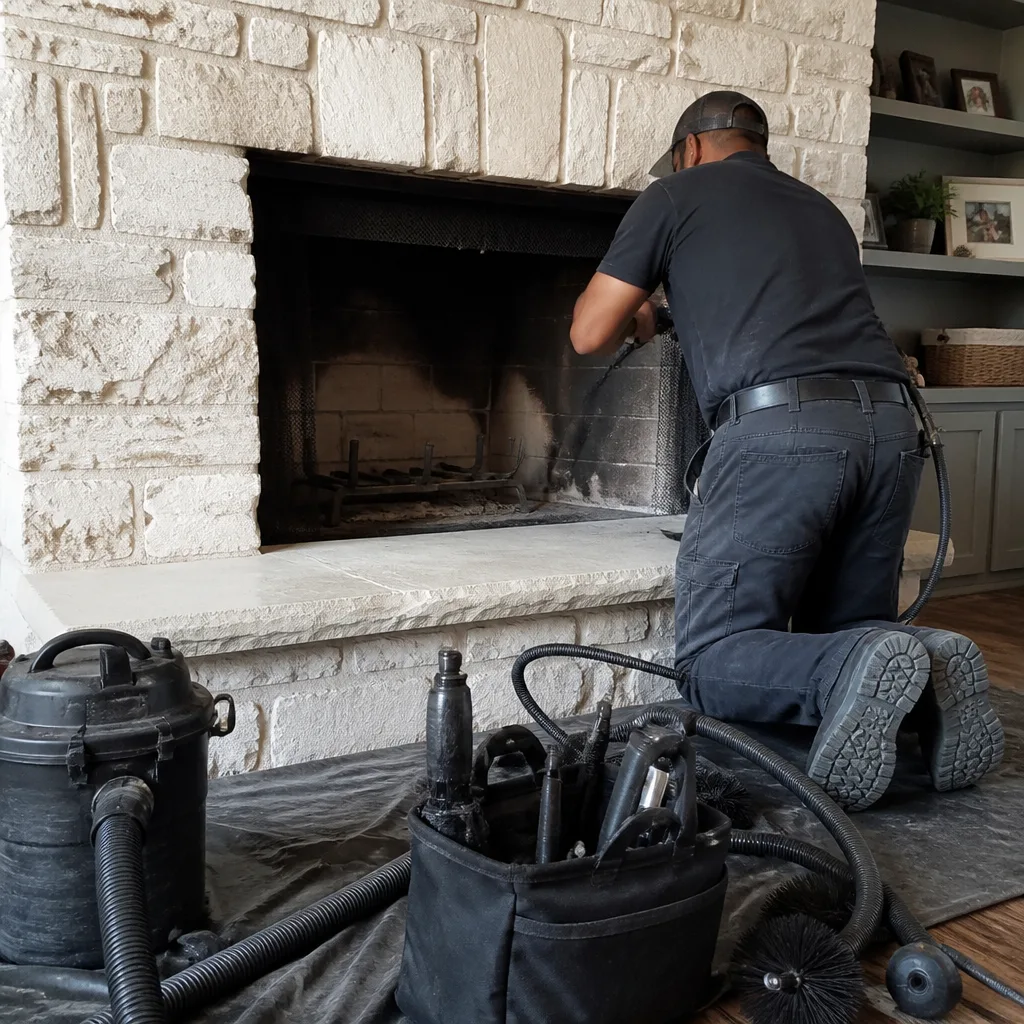
Chimney sweep logs do not sweep chimneys. They loosen some creosote - which then falls where a brush and vacuum still have to collect it.
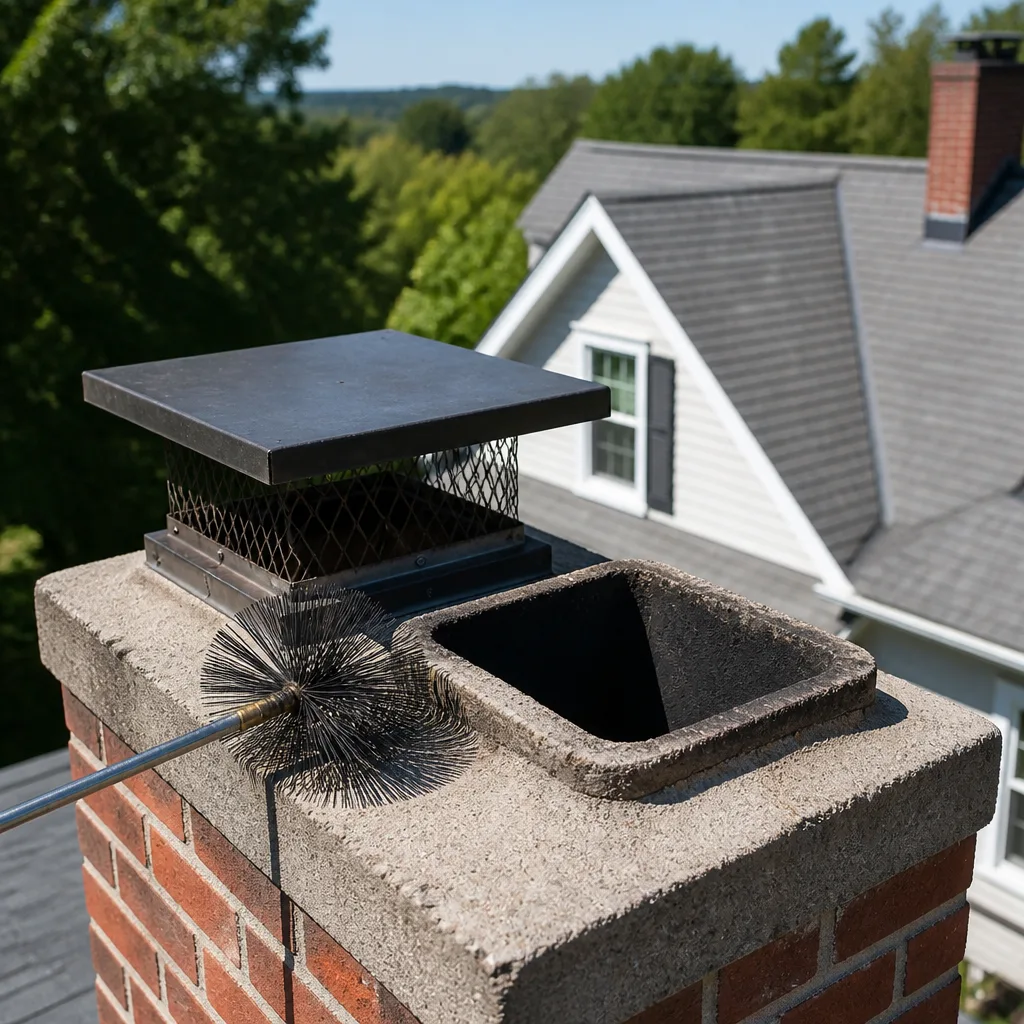
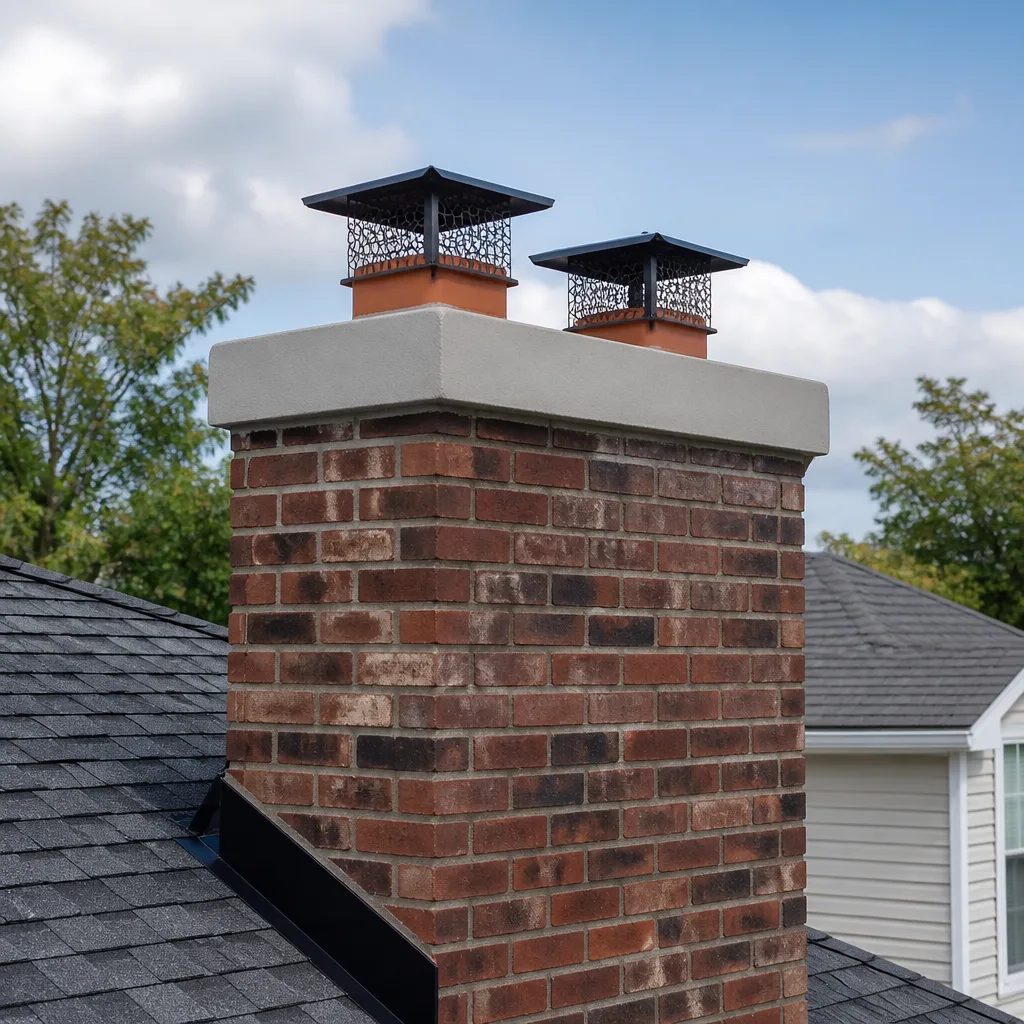
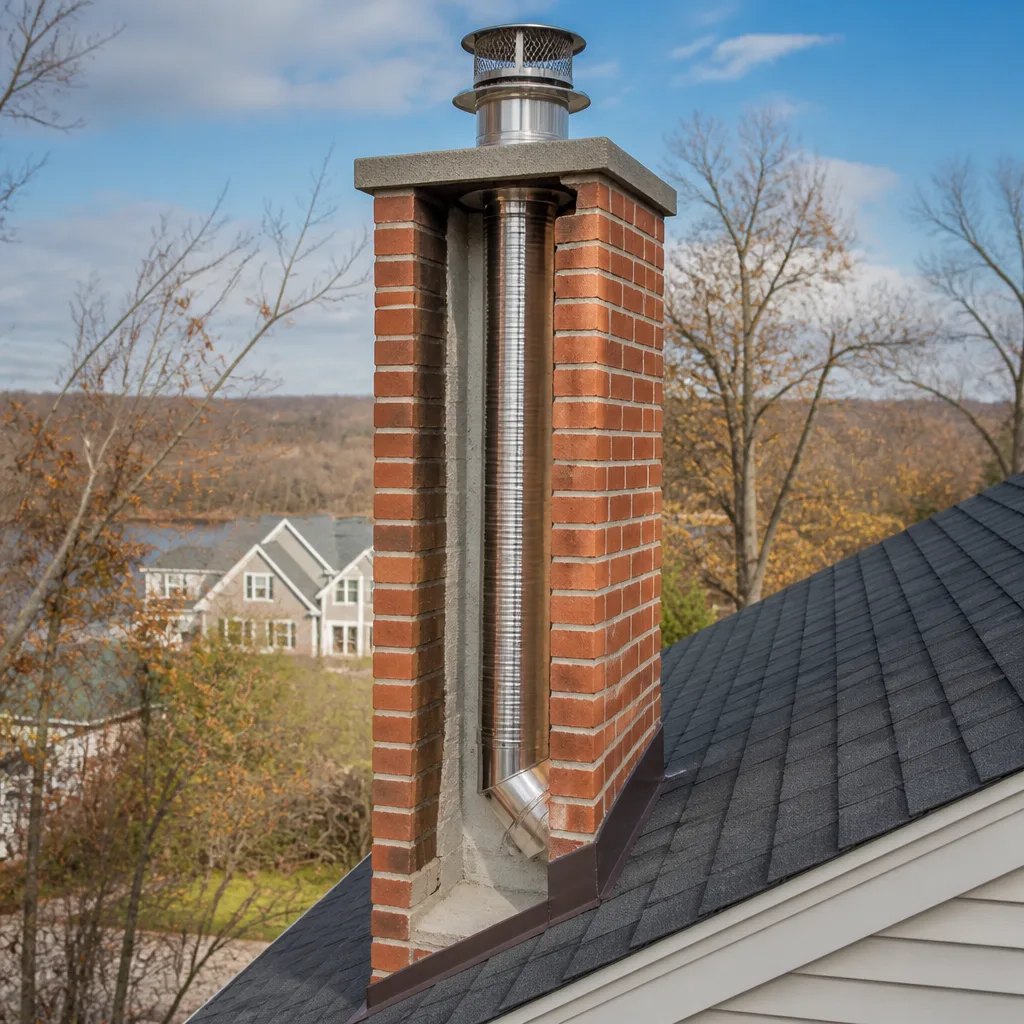
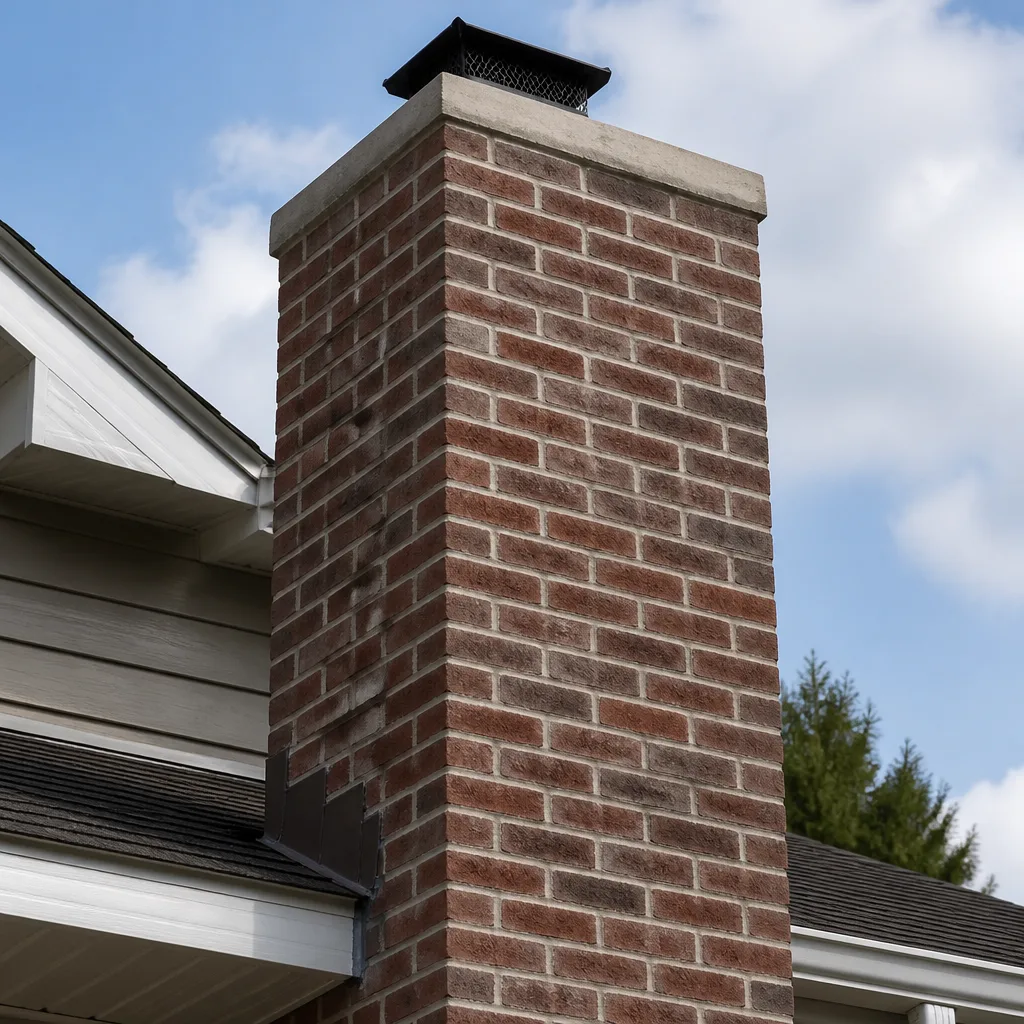
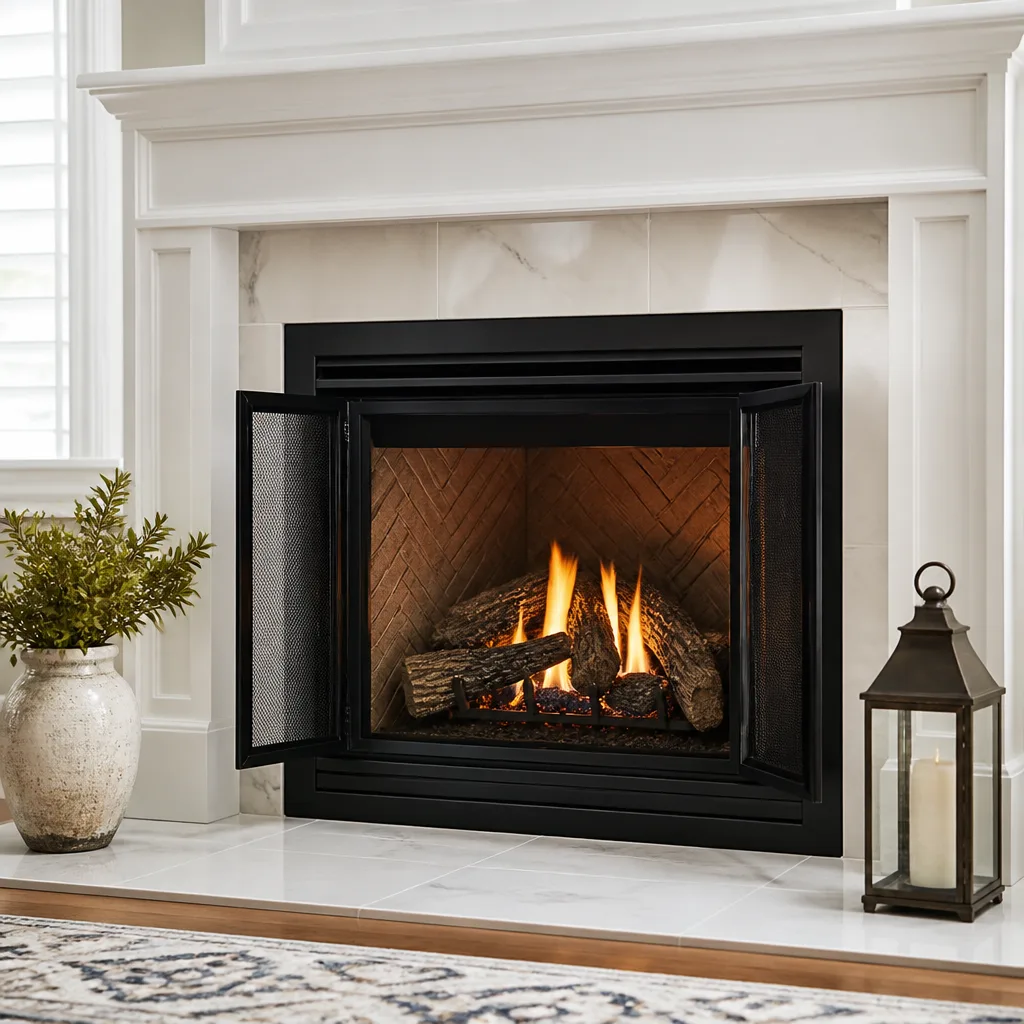
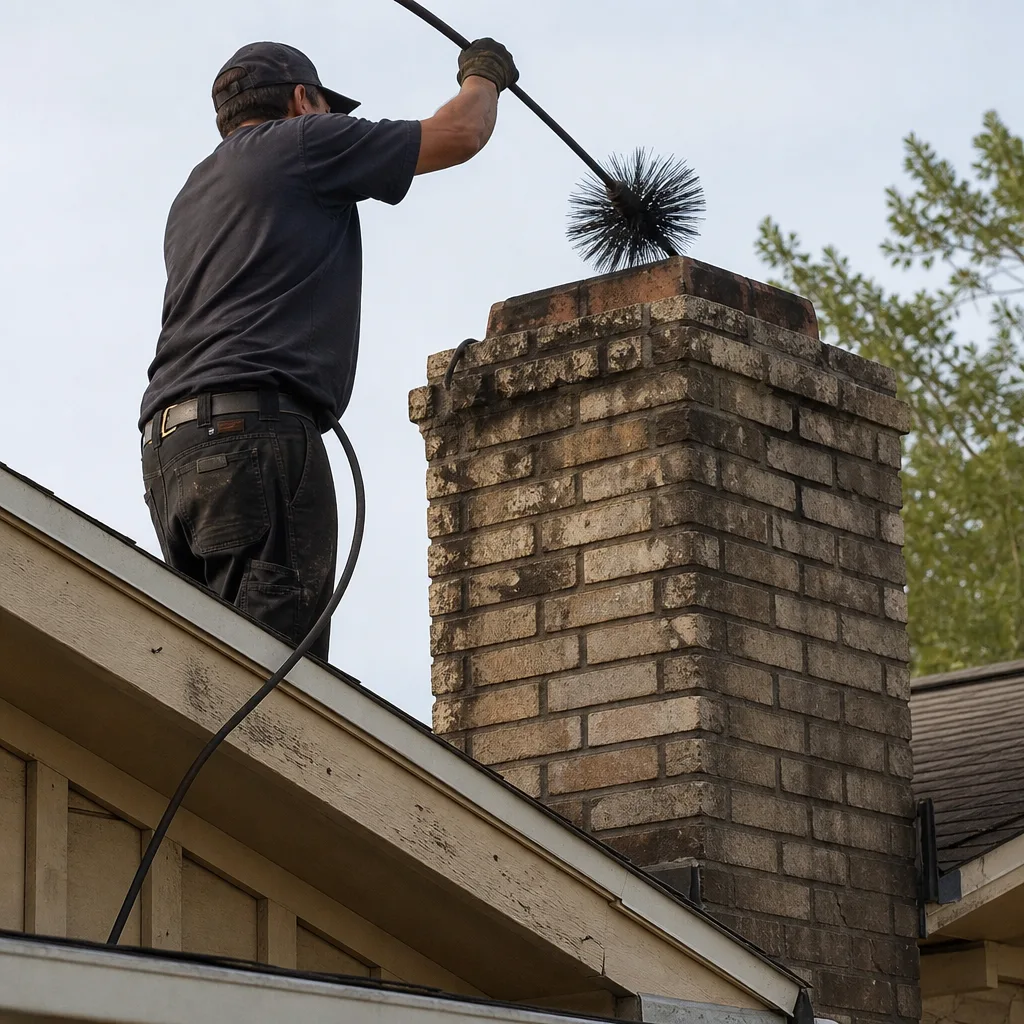 Before
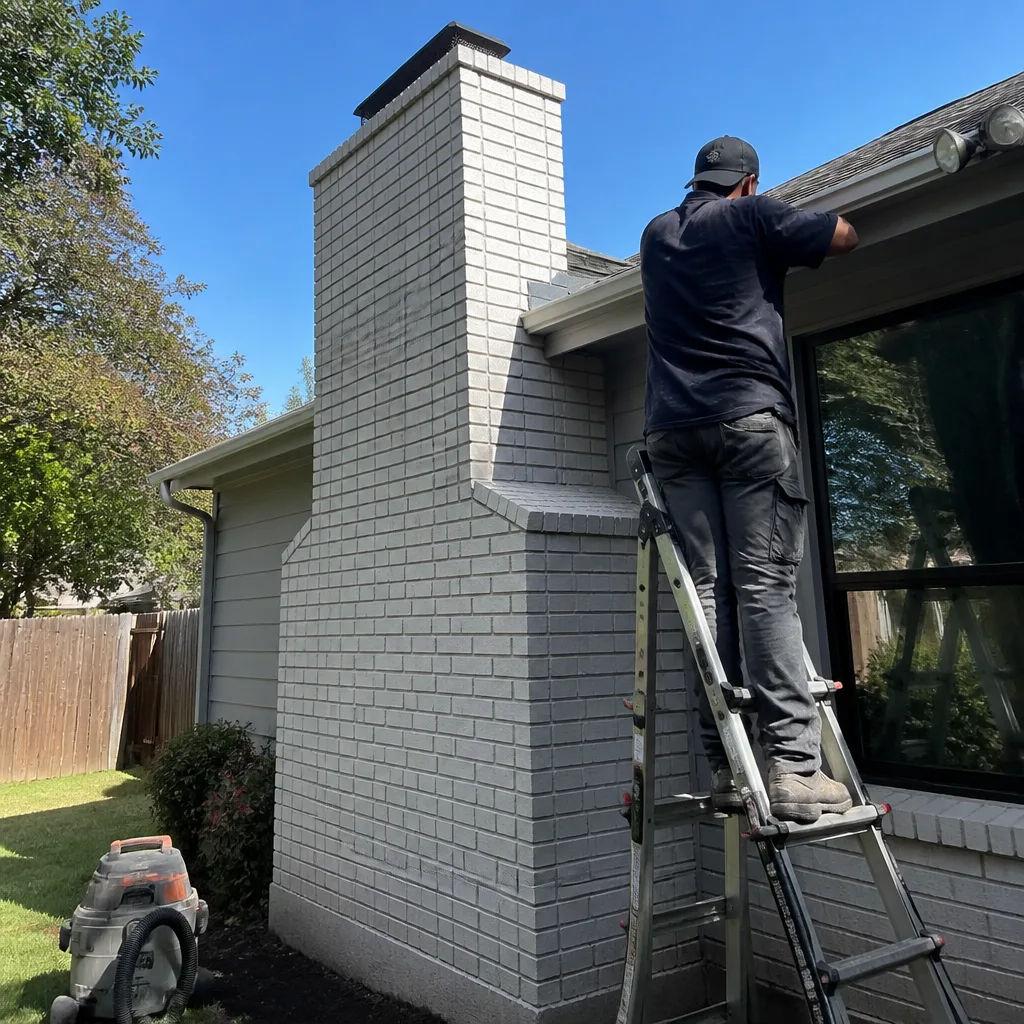 After
After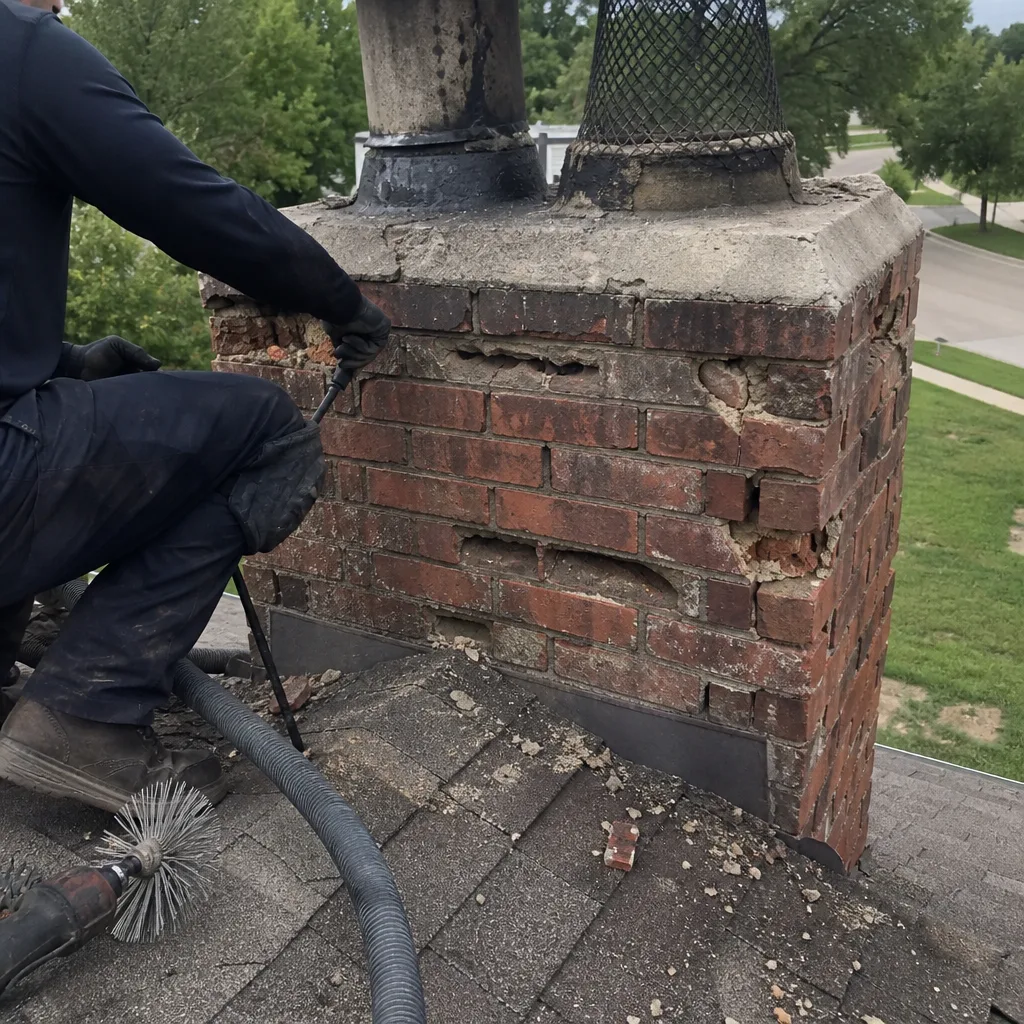 Before
 After
After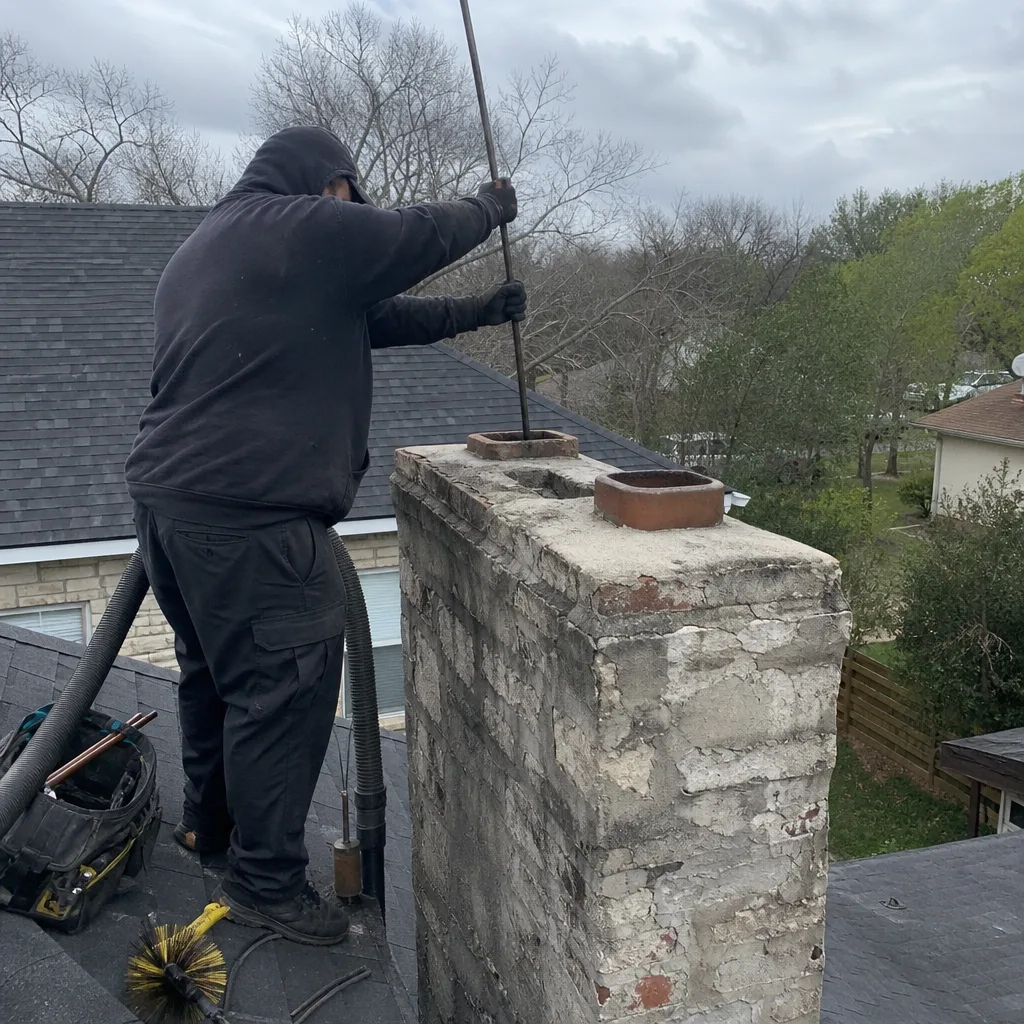 Before
 After
AfterChimney Cleaning & Sweep Maintenance Checklist for Denton Homeowners
Most chimney checklists online were written to look thorough, not to be used. They tell you to “inspect the damper” without describing what a failing damper sounds like when it won’t seat fully, or what it costs when the throat plate warps from Denton’s freeze-thaw cycles. After inspecting more than 38,000 chimneys since 2009, we’ve learned that a checklist only protects your home when each item connects to a specific failure mode, a visible indicator, and a dollar consequence. This guide - alongside our The Complete Guide to Chimney Cleaning in Denton - converts the NFPA 211 inspection criteria into a homeowner-readable task list with clear pass/fail language for every item. You’ll know what you can verify from the hearth, what requires a camera down the flue, and what written documentation proves the work was actually done.
Quick Answer
A complete chimney maintenance checklist for Denton homeowners includes 12 items: exterior masonry and crown condition, flue liner integrity, creosote buildup level, damper operation, smoke chamber and firebox condition, chimney cap and spark arrestor function, clearance to combustibles, and documented photo evidence of all findings. In Denton’s climate, schedule this inspection in September before first burn and again in March after burning season ends, when freeze-thaw damage is most visible. Professional Chimney Cleaning & Sweep services with NFPA 211 Level 2 camera inspection typically costs $180-$340 in the Denton market.
Table of Contents
- How Denton’s Climate Affects Your Chimney
- Exterior Chimney Checklist: What You Can See from the Ground
- Interior Checklist: Firebox, Damper, and Hearth Inspection
- Flue and Liner Checklist: Items Requiring Camera Confirmation
- Seasonal Timing: September Pre-Burn and March Post-Season
- What Written Documentation You Should Have on File
- Using This Checklist as a Contractor Hiring Filter
- What Chimney Maintenance Costs in Denton
BeforeAfterHow Denton’s Climate Affects Your Chimney
Denton’s position on the edge of Tornado Alley creates a specific stress pattern on masonry chimneys that coastal or northern checklists miss entirely. Our average of 15-20 freeze-thaw cycles per winter, combined with sudden temperature swings from 70°F afternoons to below-freezing nights, forces moisture trapped in brick and mortar to expand and contract with unusual violence. In neighborhoods like Southridge and Oakmont, where many homes were built during Denton’s 2005-2015 expansion, we’ve found premature spalling - the flaking or popping off of brick faces - in chimneys less than 12 years old.
The north Texas wind pattern matters too. Sustained winds of 20-30 mph, common from October through March, drive rain into chimney crowns with hairline cracks that would be harmless in calmer climates. A crown crack wider than 1/16 inch in Denton is an active leak path, not a cosmetic issue. We’ve documented water staining on smoke chamber walls in homes near Quakertown Park and the historic district where the crown appeared intact from the ground but had failed at the flue tile interface.
Denton’s clay-heavy soils add another variable. The same expansive soil that cracks foundations shifts chimney footings independently of the house structure, creating separation gaps between chimney and siding that invite water and pests. In our work across Denton County, we’ve measured gaps from 1/4 inch to over 2 inches where the chimney has settled away from the structure. A checklist that doesn’t account for this gap measurement isn’t written for north Texas.
Finally, Denton’s burn season runs shorter and more intense than northern climates: typically mid-November through mid-March, with homeowners running fires on weekend evenings rather than continuous heating. This intermittent use pattern creates more creosote condensation than continuous burning, because the flue never maintains steady temperature. A Denton-specific checklist must address this accelerated creosote formation.
Exterior Chimney Checklist: What You Can See from the Ground
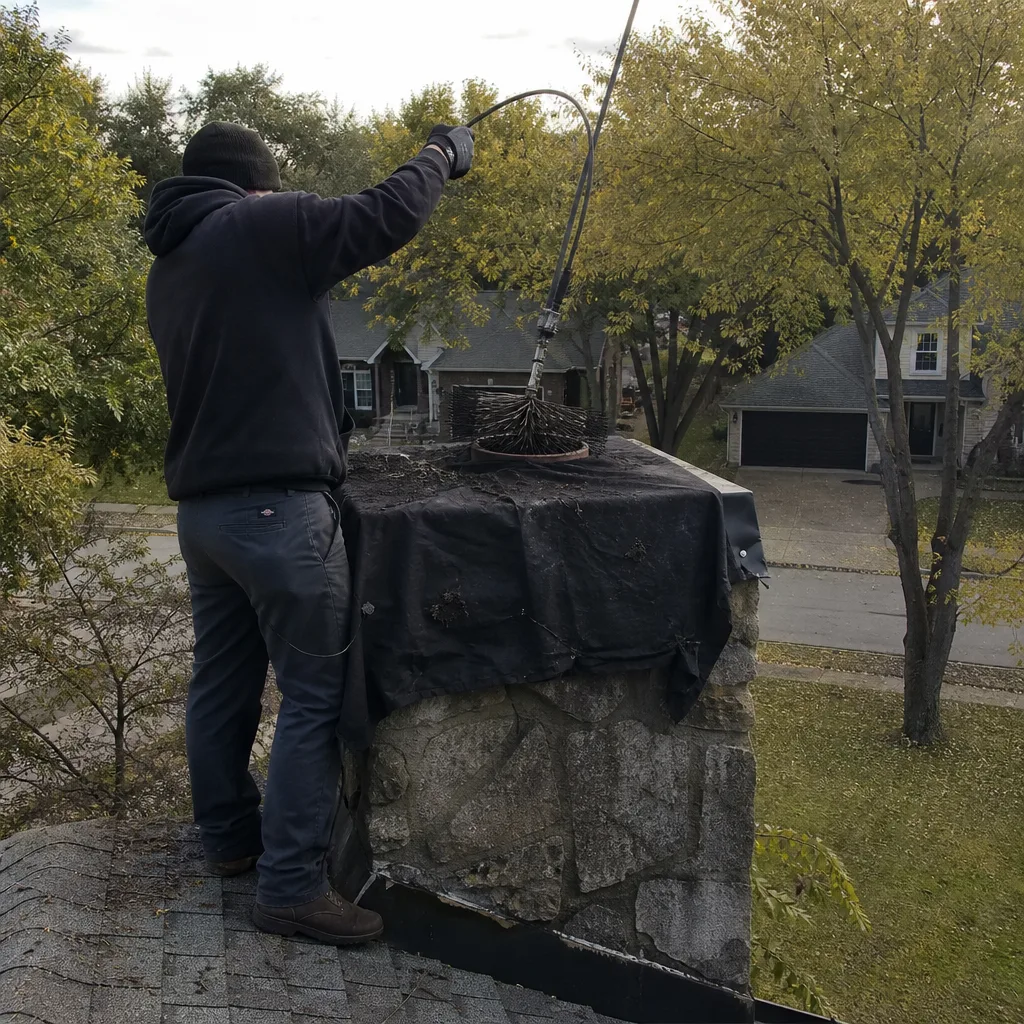
These seven items require only binoculars and a flashlight from ground level. Each includes the specific indicator that separates pass from fail.
1. Crown Condition: The 1/16-Inch Rule
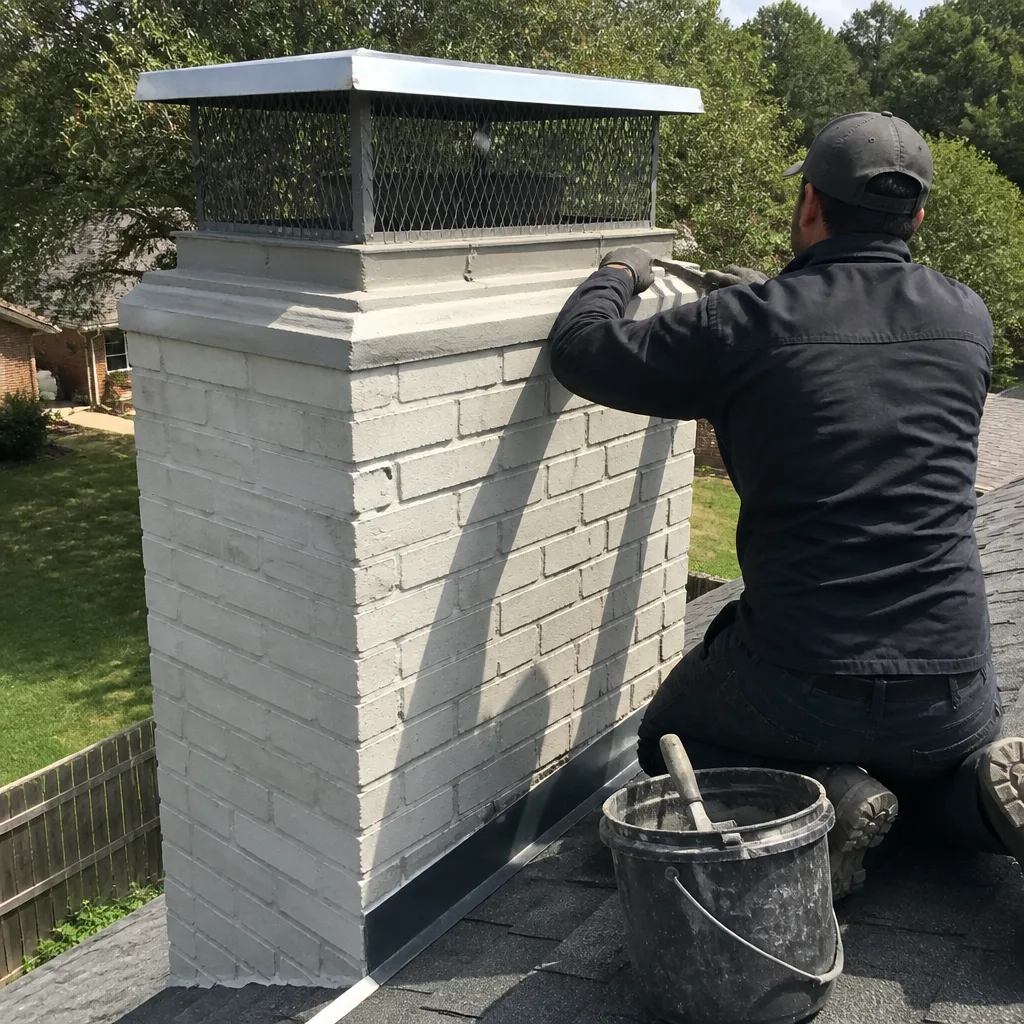
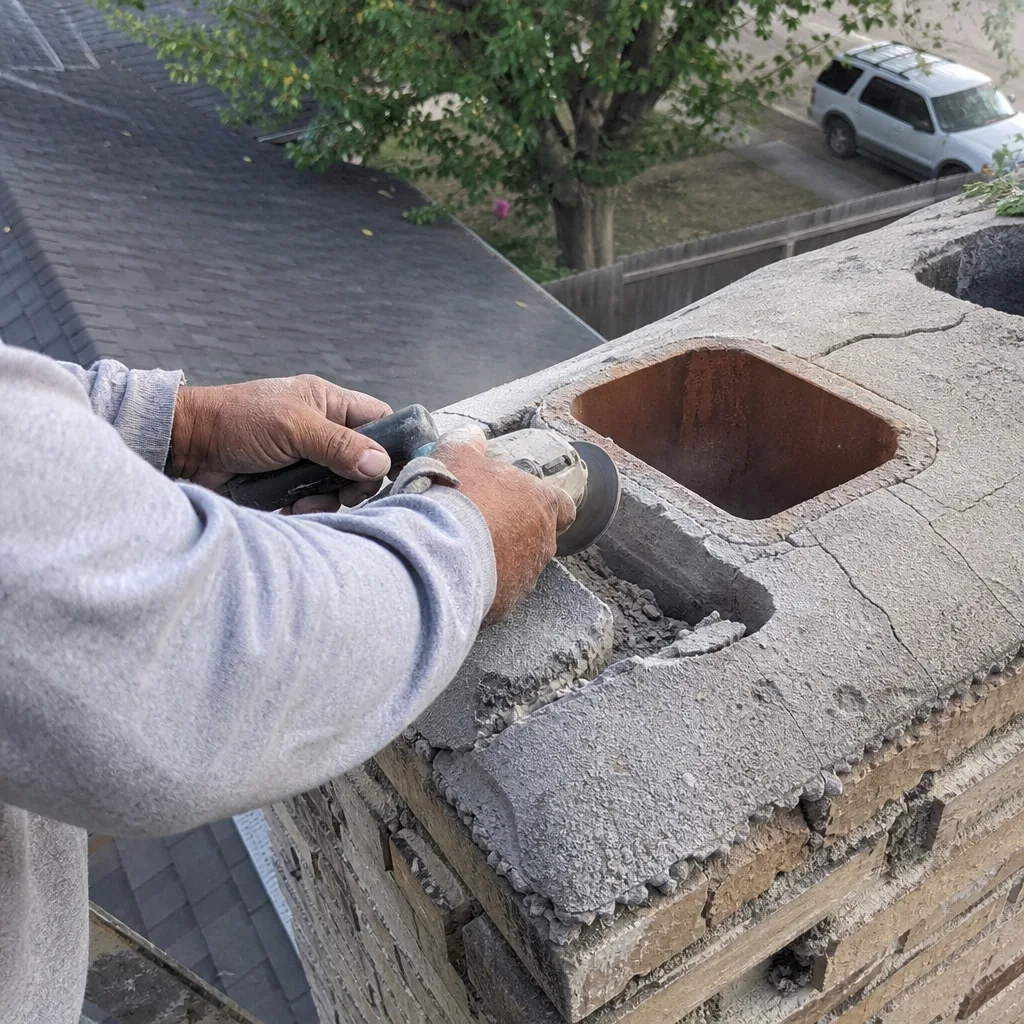
The concrete or mortar cap at your chimney top is not decorative. It sheds water away from the flue opening and protects the brick courses below. In Denton, crown failure is the single most common cause of interior water damage we find during chimney cleaning and sweep appointments.
Pass: Crown is intact with no visible cracks, slopes away from flue tile with at least 1/4 inch per foot pitch, and overhangs the brick edge by minimum 2 inches.
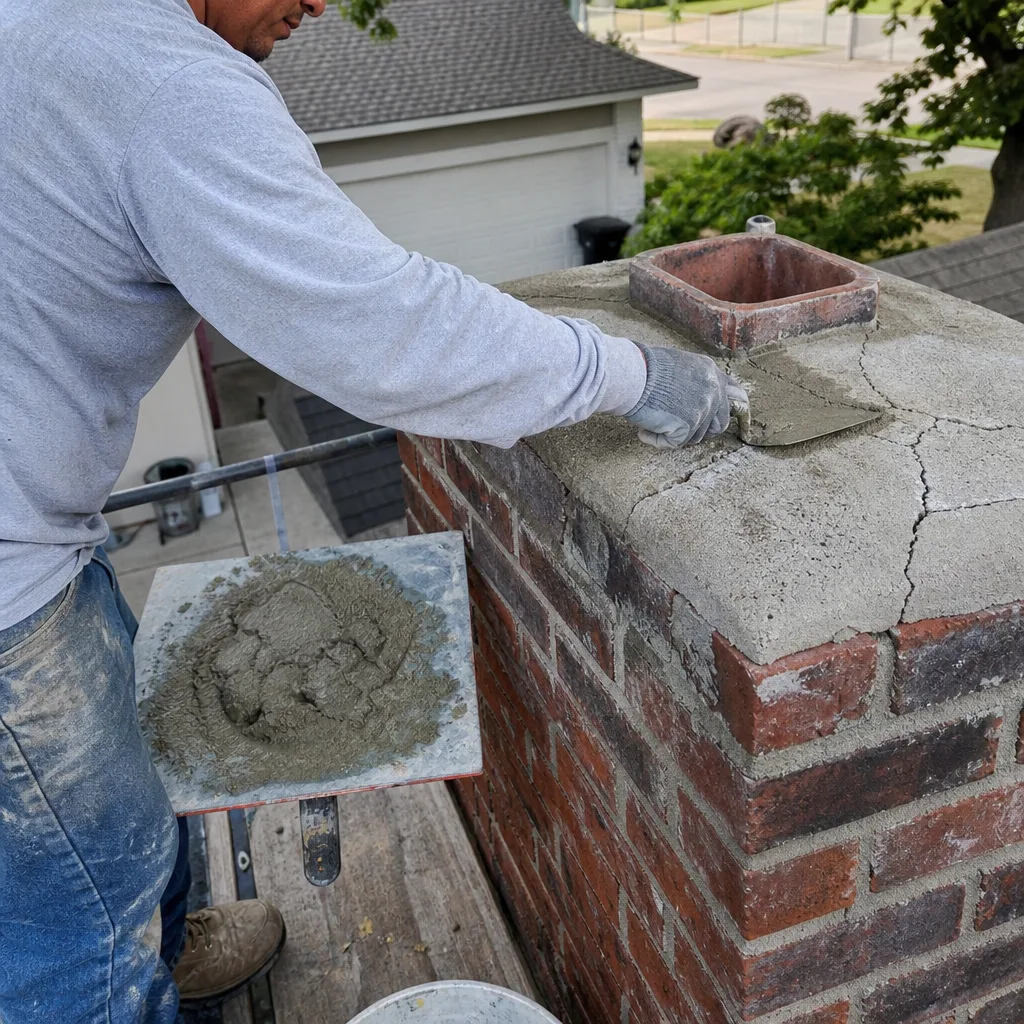
Fail: Any crack wider than 1/16 inch, any ponding or flat area, any spalling or crumbling at edges, or any separation between crown and flue tile. Repair cost in Denton: $400-$900 for crown rebuild or pour; $150-$300 for minor crack sealing with flexible crown coat.
2. Brick and Mortar: Spalling and Repointing Needs
Pass: Brick faces intact, mortar joints recessed no more than 1/4 inch from brick face, no white efflorescence staining (indicates water migration through masonry).
Fail: Flaking brick faces, mortar joints recessed more than 1/2 inch or missing entirely, vertical cracks in masonry (structural concern), or efflorescence covering more than 10% of visible surface. Repointing in Denton runs $8-$15 per square foot of wall area; partial rebuilds start around $1,200.
3. Chimney Cap and Spark Arrestor
Pass: Mesh spark arrestor with openings between 3/4 inch and 1/2 inch (NFPA 211 standard), no rust holes, secure attachment to flue tile or crown, adequate internal clearance above flue opening (minimum 5 inches for proper draft).
Fail: Missing cap, rusted-through mesh, openings larger than 3/4 inch (allows bird and squirrel entry), or cap installed so low it restricts smoke exit. Replacement caps from Famco or Copperfield, properly sized and installed: $250-$450 in Denton.
4. Flashing at Roof Line
Pass: Step flashing interwoven with shingles, counterflashing embedded in mortar joints with visible sealant bead, no lifted edges, no caulk gaps.
Fail: Lifted flashing edges, visible nail heads, caulk separation, or rust stains on shingles below chimney. Flashing repair: $300-$700; full replacement with proper integration: $800-$1,400.
5. Chimney-to-House Separation Gap
Pass: Gap between chimney and siding is uniform and sealed with flexible, paintable caulk or proper counterflashing; gap is less than 1/4 inch.
Fail: Gap exceeds 1/2 inch, caulk is cracked or missing, or gap widens toward top (indicates settling). Structural evaluation needed if gap exceeds 1 inch or shows active widening.
6. Cricket or Saddle (Behind Chimney on Steep Roofs)
Roofs with pitch steeper than 6:12 require a cricket to divert water around the chimney.
Pass: Cricket present with proper flashing, no ponding, no shingle damage at cricket edges.
Fail: Missing cricket on steep roof, or cricket with deteriorated flashing. This is a code compliance issue in Denton for roofs over 6:12 pitch.
7. Vegetation and Debris
Pass: No tree branches within 10 feet of chimney top, no ivy or vine attachment to masonry, no leaf accumulation in crown area.
Fail: Overhanging branches (fire hazard and physical damage risk), rooted vines (moisture retention and mortar destruction), or debris accumulation.
Interior Checklist: Firebox, Damper, and Hearth Inspection
These five items can be assessed from the hearth area with a flashlight and your hand protected by a work glove; find more guides & resources on our blog. Do not reach into areas you cannot see clearly.
8. Firebox Brick or Refractory Panel Condition
Pass: Firebrick faces intact with no cracks wider than hairline; refractory panels (factory-built fireplaces) show no cracks penetrating full thickness or gaps exceeding 1/16 inch at joints.
Fail: Cracks wider than 1/8 inch in firebrick, missing or spalled brick, or refractory panel cracks you can fit a dime into. A cracked firebox allows heat transfer to combustible framing; this is not a deferrable repair. Firebox rebuild: $800-$2,500; refractory panel replacement: $400-$900.
9. Damper Operation and Seating
The throat damper sits above the firebox and closes the flue when the fireplace is not in use. A failing damper costs you conditioned air year-round.
Pass: Damper opens fully with smooth handle or chain operation, closes completely with no visible gap when viewed from below with flashlight, no rust flakes or warping visible on plate edges.
Fail: Handle stuck or requires force, visible gap of any width when closed, plate warped or cracked, or damper missing entirely (common in very old Denton homes near the square). Top-sealing damper replacement: $600-$900 installed; throat damper repair: $200-$400.
Safety note: Never operate a fireplace with a stuck-closed damper. Smoke and carbon monoxide will enter living space immediately.
10. Smoke Chamber Construction
The smoke chamber is the area above the damper that funnels smoke into the flue. In Denton, we’ve found parged (smoothed) smoke chambers deteriorated in homes where previous owners burned unseasoned wood from the Cross Timbers region.
Pass: Smooth, sloped walls with no exposed corbelled brick edges, no significant buildup, no cracks visible from below.
Fail: Exposed corbels creating turbulence, significant soot or creosote buildup, or cracks indicating heat damage. Smoke chamber parge repair with HeatShield cerfractory foam: $1,200-$2,400.
11. Hearth Extension and Clearance
Pass: Hearth extension extends minimum 16 inches in front of opening and 8 inches to each side (minimum; larger required for larger openings), material is non-combustible, no cracks or settlement.
Fail: Hearth too small for opening, combustible material within required clearance, or cracked hearth allowing ember contact with subfloor. This is a life-safety code item.
12. Combustible Clearances
Pass: Mantel and surround maintain NFPA 211 clearances: typically 6 inches minimum for combustible mantel shelves, with additional clearance based on projection. No visible charring or heat discoloration on adjacent walls.
Fail: Combustible materials closer than required, heat discoloration on wall above opening, or modified clearances from homeowner-installed shelving. We measure this with a laser during professional inspection; homeowner visual check for discoloration is a valid screen.
Flue and Liner Checklist: Items Requiring Camera Confirmation
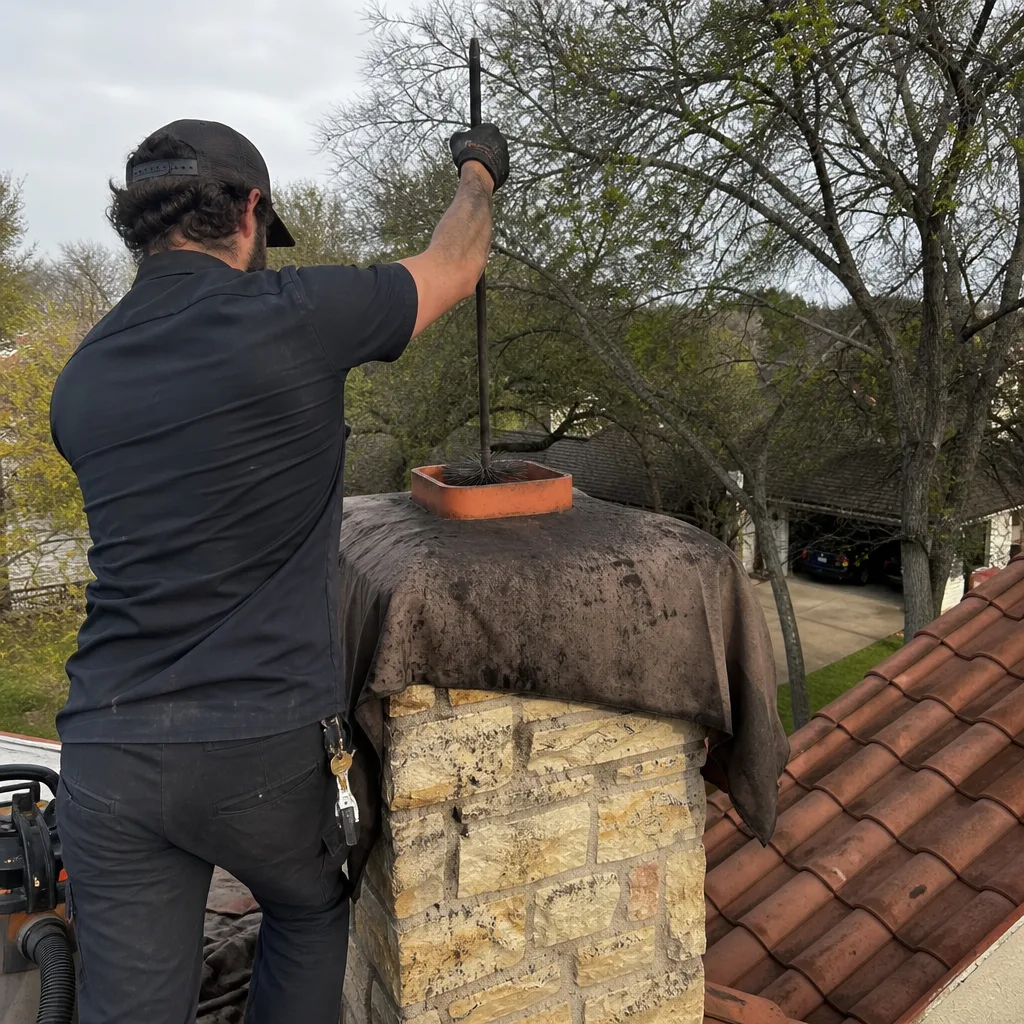
These four items cannot be assessed from ground level or hearth view. They require a camera lowered through the flue, which is the defining practice of an NFPA 211 Level 2 inspection. This is where chimney repair decisions are made or deferred based on evidence, not opinion.
13. Flue Liner Integrity
The flue liner contains combustion products and protects combustible framing from heat transfer. In Denton, clay tile liners predominate in pre-1990 construction; stainless steel from DuraFlex or Olympia Chimney is common in relining work post-2000.
Pass (camera finding): No cracks penetrating tile thickness, no missing tile segments, no gaps at tile joints exceeding 1/8 inch, no glaze buildup obscuring surface.
Fail (camera finding): Cracks visible on camera, spalled tile interior, shifted or settled liner segments, or gaps at joints. Each finding is photographed and measured. Clay tile repair is rarely practical; stainless steel liner installation: $2,800-$5,500 depending on flue count and height.
14. Creosote Buildup Classification
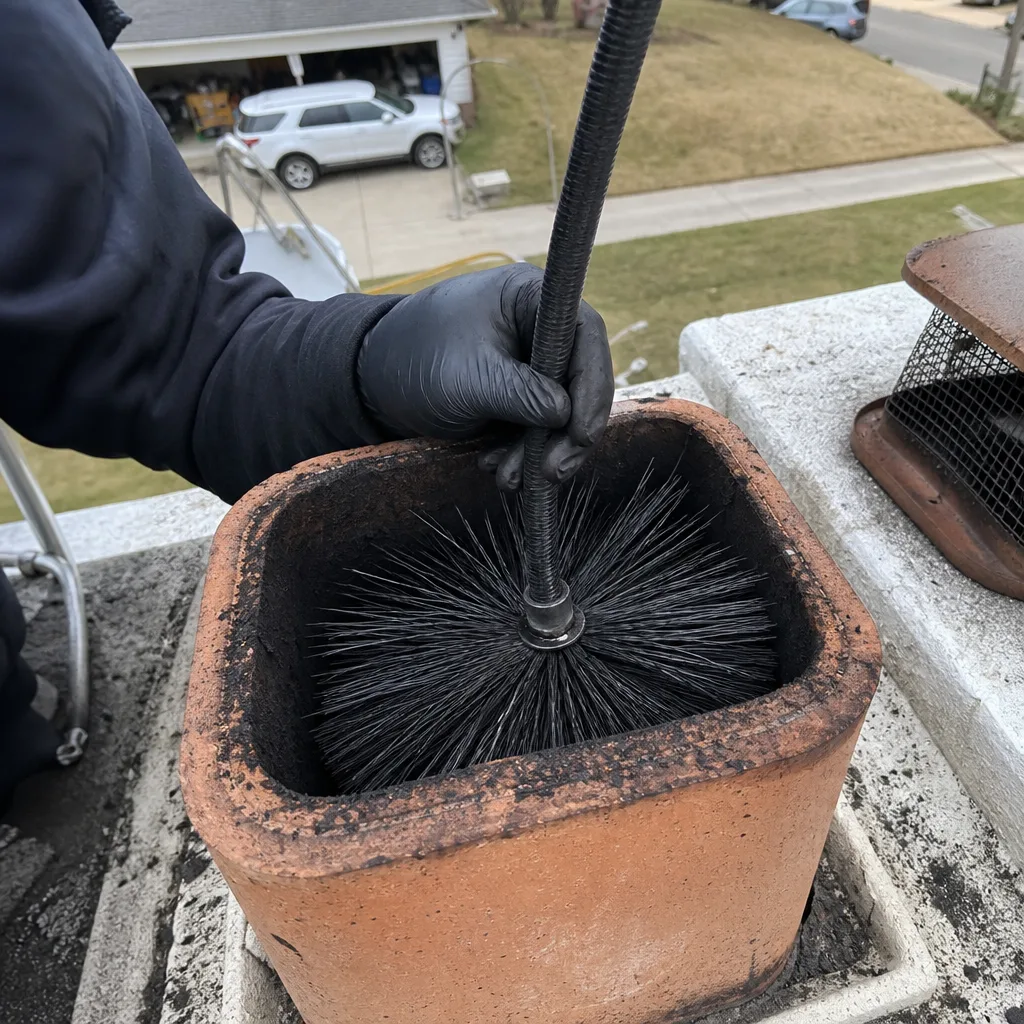
Creosote is not a single substance. NFPA 211 recognizes four stages, and each demands different response.
- Stage 1 (Soot): Light, dusty, easily brushed. Normal accumulation. Removed with standard sweep.
- Stage 2 (Granular): Crunchy, popcorn-like flakes. Requires rotary cleaning. Indicates cooler-than-optimal flue temperatures.
- Stage 3 (Glazed): Hardened, shiny, tar-like coating. Requires chemical treatment and mechanical removal. High fire risk.
- Stage 4 (Restricted): Severe blockage or physical obstruction. Fireplace must not be used until cleared.
In Denton’s intermittent-burn pattern, we see Stage 2 and 3 accumulation more frequently than continuous-heating climates. A camera inspection reveals the true stage; visual inspection from below cannot distinguish Stage 2 granular buildup from Stage 3 glaze.
Pass: Stage 1 or light Stage 2, with flue cross-sectional area unobstructed.
Fail: Stage 3 glaze covering more than 1/8 inch thickness, any Stage 4 obstruction, or any buildup reducing flue area by more than 25%. Stage 3 removal with chemical treatment: $400-$700 additional to standard sweep.
15. Obstructions and Nesting
Pass: Clear flue from firebox to cap, no visible debris, nesting material, or animal presence.
Fail: Bird nests (common in Denton before October), squirrel nesting, leaf accumulation, or collapsed liner segments. Obstruction removal: $150-$400; animal entry prevention with proper cap: $250-$450.
16. Flue Sizing and Draft Adequacy
This requires measurement and sometimes draft testing with a manometer, not camera alone. However, camera inspection reveals liner dimensions and any internal obstructions that affect effective area.
Pass: Liner internal dimensions match appliance outlet or are properly sized per NFPA 211 tables, no internal projections reducing flow.
Fail: Oversized flue for connected appliance (causes condensation and poor draft), undersized flue, or internal projections. Sizing correction may require liner replacement or appliance modification.
Seasonal Timing: September Pre-Burn and March Post-Season
Denton’s burning season runs roughly 18 weeks, but the maintenance calendar has two critical windows determined by climate, not convenience.
September: Pre-Burn Inspection
Schedule your inspection after the summer heat breaks but before first use, typically mid-September in Denton. This timing matters because:
- Any water intrusion from summer storms has had time to manifest as interior staining or exterior spalling, making failure visible.
- Contractor availability exists before the October rush, when demand spikes across Denton, Corinth, and Argyle.
- If liner work or masonry repair is needed, there’s time to complete it before temperatures drop.
- First fires of season, when homeowners are rusty on procedure, are statistically the highest-risk period for chimney fires nationwide.
What to verify in September: all exterior checklist items, damper operation after summer disuse, and any odor indicating animal presence or moisture accumulation.
March: Post-Season Assessment
The March inspection catches freeze-thaw damage at its most visible, before spring rains accelerate deterioration. In Denton, we’ve found this timing reveals:
- Crown cracks that opened during winter contraction and are now visible before spring expansion closes them partially.
- Creosote accumulation patterns from the season just completed, informing next year’s burn practices.
- Any hearth or firebox damage from over-firing or improper fuel during peak use.
What to verify in March: exterior damage from freeze-thaw, creosote stage classification for planning, and firebox condition after season of use. Schedule any masonry repair before April rains.
What Written Documentation You Should Have on File
A verbal “looks good” from a technician is not a record. It cannot be shown to your insurer after a fire, referenced for warranty claims, or used to track deterioration over time. Under Clause 4 of the Haven Standard, which we’ve followed since 2009, every fireplace service visit produces four documents:
The Written Scope and Price (Clause 1)
Before any work begins, you receive a written description of what will be done, what it costs, and what warranty applies. This is not an estimate range; it is a fixed price for a defined scope. If additional conditions are found during work, the technician stops and presents a revised written scope before proceeding. No exceptions.
The Photo Record (Clause 4)
Every inspection includes dated, labeled photographs of interior flue condition, exterior crown and masonry, damper position, and any findings. These are your baseline for comparison at next inspection. A crack measured at 1/16 inch in 2024 and 3/16 inch in 2025 is objective evidence of progressive deterioration, not opinion.
The Completed Work Documentation
After cleaning or repair, you receive photos of completed condition, measurements of remaining creosote thickness (target: zero for Stage 1-2, reduced to treatable level for Stage 3), and confirmation that all listed scope items were performed.
The Warranty Record
The 365-Day Done Right Promise is stamped on every job. If any covered item fails within 12 months, we return to make it right. The warranty terms are written, not implied.
What to demand from any contractor: dated photos of before and after condition, written measurements of any cracks or gaps, and a fixed price for proposed work. A contractor who cannot produce these is telling you something about their inspection depth.
Using This Checklist as a Contractor Hiring Filter
When you call for chimney cleaning in Denton, read this checklist to the representative. Their response to specific items reveals their inspection standard before they arrive.
Ask: “Do you use a camera on every inspection, and do I receive photos?”
Red flag: “We only camera if we find something” or “The technician will decide on site.” A camera decision after arrival means you’re paying for a flashlight inspection unless problems are obvious.
Ask: “What creosote stage will you document, and how?”
Red flag: Blank response or “we’ll tell you if it’s bad.” Stage classification is fundamental to fire risk assessment.
Ask: “Will I receive a written price before work starts, or an estimate range?”
Red flag: “The technician will quote on site” or “It depends on what we find.” This is the model that generates post-arrival price escalation.
Ask: “What does your warranty cover, and is it written?”
Red flag: Verbal assurance only, or coverage limited to “workmanship” without defining what that excludes.
Ask: “Do your technicians carry license information I can verify?”
Red flag: Refusal to provide license number, or technician arrival without identification. In Texas, chimney sweep is not state-licensed, but legitimate contractors carry municipal permits, business registration, and technician background verification.
A contractor who answers each item in plain language with specific practices is demonstrating the transparency that correlates with actual inspection quality. One who deflects to “we’ve been in business X years” or “we’re the most trusted in Denton” without answering the specific question is selling reassurance, not evidence.
What Chimney Maintenance Costs in Denton
Specific pricing matters. These ranges reflect Denton’s market as of 2024-2025, based on our completed jobs and competitor estimates we’ve reviewed through our Free Second Opinion service.
| Service | Typical Range | What Affects Price |
|---|---|---|
| NFPA 211 Level 2 inspection with camera and photo record | $180-$260 | Number of flues, roof accessibility, single-story vs. two-story |
| Chimney sweep with standard Stage 1-2 creosote | $220-$340 | Creosote stage, number of flues, appliance type |
| Stage 3 glazed creosote removal with chemical treatment | $400-$700 additional | Thickness, flue length, number of treatment cycles needed |
| Crown crack repair with flexible crown coat | $150-$300 | Crack extent, crown size |
| Crown rebuild or pour | $400-$900 | Crown dimensions, access difficulty, reinforcement needs |
| Chimney cap with spark arrestor (Famco or Copperfield) | $250-$450 | Flue size, cap style, number of flues |
| Stainless steel liner (DuraFlex or Olympia Chimney) | $2,800-$5,500 | Flue height, diameter, number of appliances connected, insulation requirements |
| Firebox refractory panel replacement | $400-$900 | Panel size, brand availability, surround disassembly |
| Smoke chamber parge with HeatShield | $1,200-$2,400 | Chamber size, access, condition of existing surface |
These are fixed prices agreed before work starts, not estimates that change on arrival. The Free Second Opinion applies to any competitor’s written quote for comparable scope.
Common Mistakes to Avoid
- Assuming a clean firebox means a clean flue. The firebox is where you see; the flue is where the fire risk lives. We’ve found Stage 3 glazed creosote in flues above spotless fireboxes in Denton’s Robson Ranch and Providence communities.
- Using the chimney “just once” before inspection. A single burn with a blocked flue or damaged liner can cause a chimney fire or carbon monoxide release. The September inspection exists precisely to prevent this first-fire risk.
- Accepting “it looks fine from here.” In chimney work, “from here” usually means ground level. Every significant finding we’ve documented in 38,000 inspections required a camera, mirror, or rooftop access to see.
- Deferring crown repair until spring. Denton’s March-May rainy season accelerates crown damage that started in winter. A $200 crown seal in October prevents a $900 rebuild in April.
- Burning unseasoned wood from local sources. Oak and mesquite from Denton County need 12-18 months drying. Burning at 25% moisture content produces Stage 2-3 creosote in a single season. A moisture meter costs $25; use it.
- Not requesting the previous owner’s chimney records. When you buy a Denton home built 2005-2015, ask for inspection documentation. Absence of records means you’re guessing at liner condition and burn history.
- Treating chimney sweeping as optional maintenance. NFPA 211 recommends annual inspection and cleaning when any soot or creosote is present. In Denton’s intermittent-burn pattern, creosote condenses more aggressively than continuous-use climates. Skipping a year is a gamble with specific odds we can calculate from your fuel and burn frequency.
When to Call a Professional
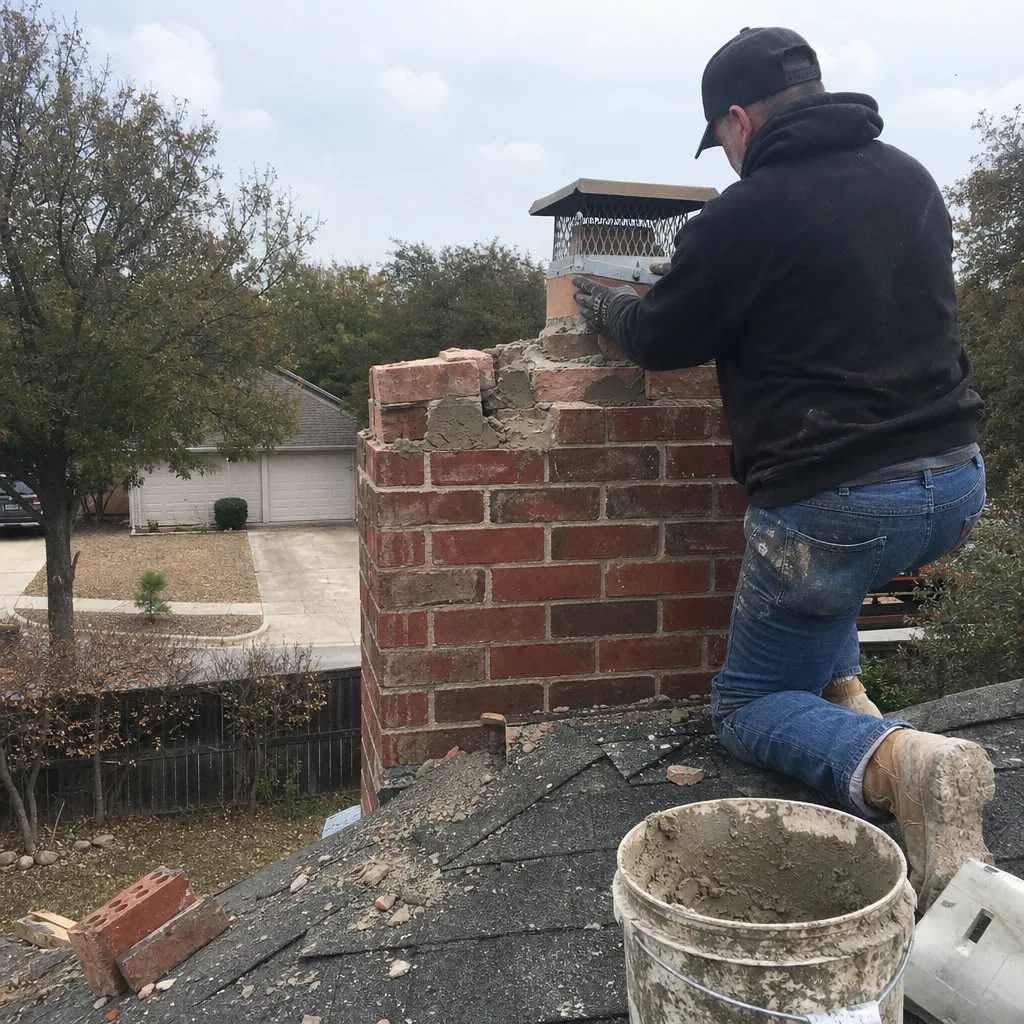
Call for inspection before first use if you’ve never had a documented camera inspection, if you’ve changed appliances or fuel type, or if you observe any exterior checklist failure indicator. Call immediately if you smell smoke in rooms other than the fireplace area, if the damper sticks or won’t fully open, or if you see exterior masonry damage after storms or freeze events. Emberly Chimney Cleaners Denton offers free estimates in Denton - call (940) 373-6912. A live person answers 24 hours a day, and you’ll receive a named technician assignment with text notification when they’re en route.
Frequently Asked Questions
A professional chimney sweep with NFPA 211 Level 2 camera inspection and photo documentation typically costs $220-$340 in Denton for standard Stage 1-2 creosote. Stage 3 glazed creosote removal adds $400-$700. Every job is quoted in writing before work begins. Call (940) 373-6912 for an exact quote - estimates are free.
You need liner replacement only if camera inspection shows cracks penetrating tile thickness, missing segments, or gaps exceeding 1/8 inch at joints, or if your liner is unlined brick (pre-1940 construction). We do not recommend liner replacement without photo evidence you can see yourself, and we will tell you plainly when damage is monitorable rather than immediately hazardous. Bring us any competitor’s written liner recommendation for a Free Second Opinion.
NFPA 211 recommends annual inspection for all chimneys, and cleaning whenever soot or creosote is present. In Denton’s climate with intermittent burning, most wood-burning fireplaces need sweeping every 1-2 burning seasons depending on fuel moisture and burn frequency. Gas fireplaces need less frequent cleaning but still require annual inspection of the venting system and burner operation. The definitive answer comes from camera inspection measuring actual accumulation, not calendar guessing.
Skipped maintenance produces three predictable outcomes: creosote accumulation progressing from Stage 1 to Stage 3, increasing chimney fire risk from rare to statistically significant; moisture intrusion through deteriorated crowns and flashing, causing hidden damage to framing and interior finishes; and undetected liner damage allowing heat transfer to combustible structures. In Denton, we’ve documented chimney fires in homes where maintenance was deferred 3-5 years, and carbon monoxide incidents from blocked or damaged flues. The cost of prevention is a fraction of the cost of remediation after failure.
You can and should perform the exterior and interior checklist items in this guide annually. However, flue liner condition, creosote stage classification, and draft adequacy require camera equipment, training, and rooftop access that homeowners should not attempt. The honest line: your visual inspection is a valid screen for obvious problems, but it cannot substitute for documented camera inspection of the flue interior. We recommend professional NFPA 211 Level 2 inspection every 1-2 years depending on use, with your own ground-level checks in between.
A Level 1 inspection is visual, from accessible areas, without tools or camera - appropriate for annual maintenance when no changes have occurred. A Level 2 inspection includes camera examination of the flue interior, accessible portions of the chimney exterior, and attic or crawl space where reachable, and is required when property changes hands, after chimney fire or seismic event, or when appliance or fuel type changes. Emberly Chimney Cleaners Denton performs Level 2 as our default on every visit because flashlight-only inspection misses the conditions that cause fires and carbon monoxide releases. Clause 4 of the Haven Standard requires the photo record that makes Level 2 inspection verifiable.
The Bottom Line
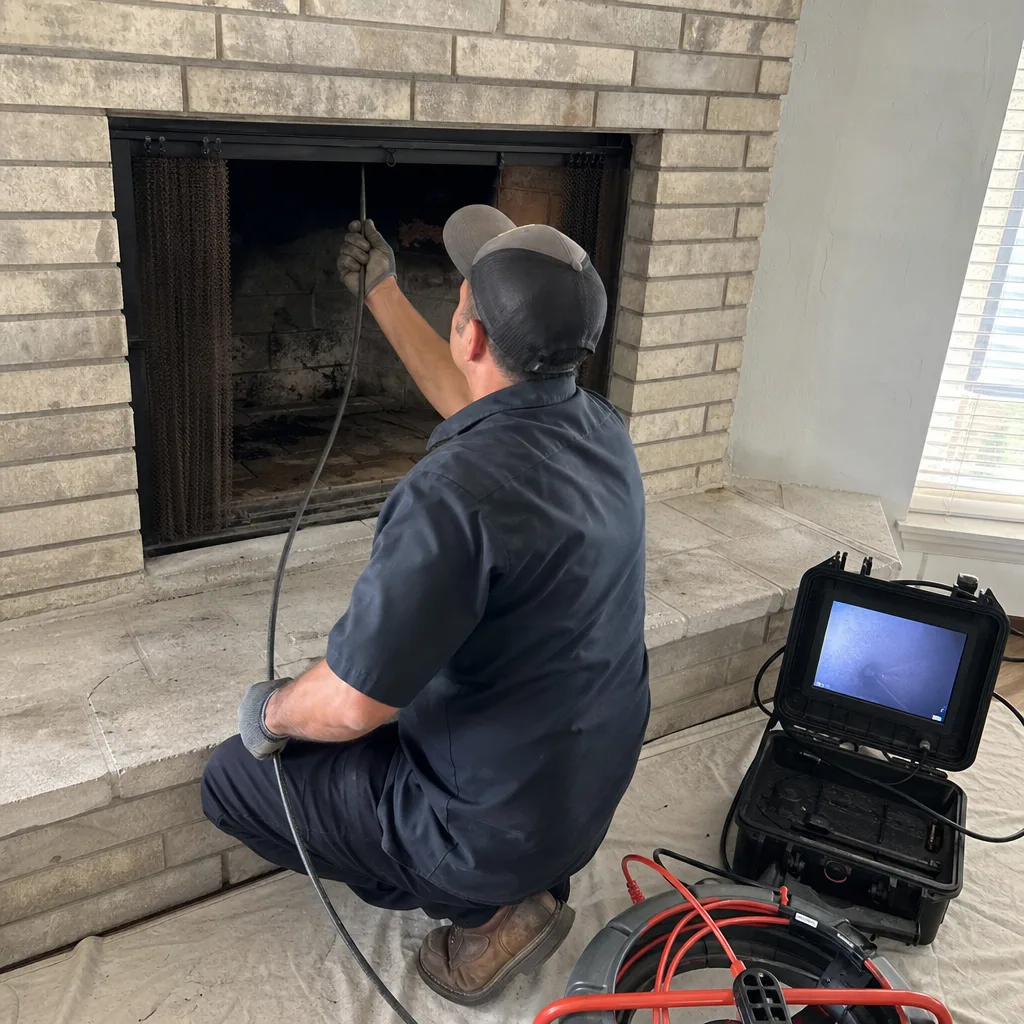
A chimney checklist protects your home only when each item connects to a visible indicator, a specific failure mode, and a documented repair cost. This guide gives Denton homeowners 16 checklist items with pass/fail criteria, seasonal timing matched to north Texas climate patterns, and clear separation between what you can verify yourself and what requires professional camera inspection. The documentation standard matters as much as the inspection itself: photos, written scope, fixed price, and written warranty transform a technician’s opinion into evidence you can use. We’ve followed this practice through 38,000 inspections since 2009 because it is the only approach that holds up when something goes wrong.
Ready for a documented inspection? Call (940) 373-6912 for a free estimate. A live person answers 24 hours a day, and we’ll have a named technician to you with camera equipment, uniform, and license verification - backed by the 365-Day Done Right Promise and the Haven Standard we’ve operated under since 2009.
Written by Corrine Halstead, Owner at Emberly Chimney Cleaners Denton, serving Denton since 2009.